
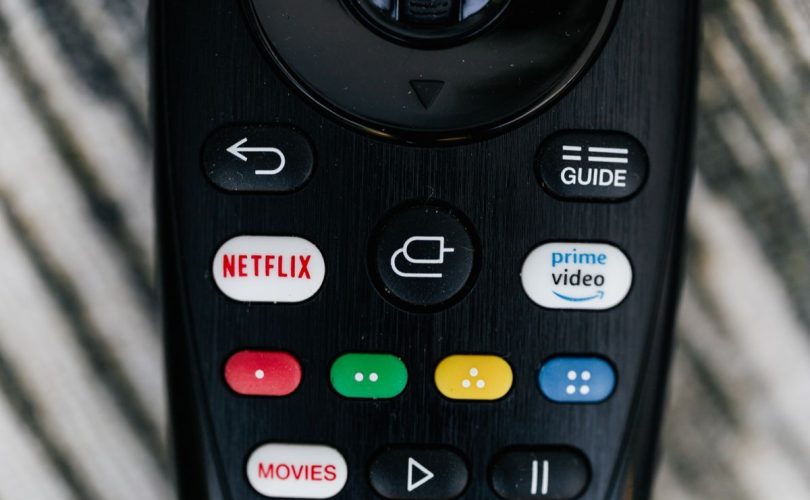
Streaming was supposed to be the cheap alternative to cable, and for a few glorious years it was. Then every network launched its own service, prices climbed, and the average household quietly ended up paying more for streaming than it ever paid for cable. The good news is that the same flexibility that created the problem, no contracts, no bundles, month-to-month subscriptions, makes it the easiest part of your budget to fix. Cutting $100 a month is realistic for most households.
Find Out What You Actually Pay
Start with the audit that always surprises people. Go through your bank and card statements for the last three months and list every streaming, subscription, and app payment. Most people miss at least a few because the charges are small and the names are forgettable. Count them all: video, music, cloud storage, fitness apps, gaming, news, dating, and the free trials you forgot to cancel.
The total is usually double what people guess. A $9.99 charge here and a $14.99 there disappears into the statement noise, but five or six subscriptions add up to $70 to $100 a month, and most households are not watching even half of them.

The Rotation Strategy
You do not need to cancel everything and live a joyless existence. The smarter move is rotation: subscribe to one or two services at a time, binge what you want, then cancel and switch. Shows do not disappear, they sit on the service until you come back. A household that alternates between Netflix, Max, and Disney+ across the year sees everything it wants and pays for only one or two at a time, cutting the bill by 60 to 70 percent.
Set a calendar reminder every month to review what you are subscribed to. The review takes two minutes and catches the services you forgot you had. If you have not opened an app in 30 days, cancel it and reactivate when you need it.
Use the Free and Shared Options
Your local library card unlocks more than books. Most libraries offer free access to Kanopy and Hoopla, which stream movies and TV shows at no cost. An antenna pulls in local broadcast channels free, which covers news, sports, and network shows. And ad-supported tiers, now offered by nearly every major service, cut the price in half in exchange for a few minutes of commercials an hour.
If you share a household, one account with multiple profiles beats several accounts. Family plans are usually $5 to $10 more than individual plans, far cheaper than buying separately. Just do not share passwords outside your household; the platforms are cracking down and it is not worth losing access over.
Rebuild the Subscription You Keep
After the purge, rebuild deliberately. Keep the one or two services your household watches weekly, and put them on the annual plan if it saves money, most services discount annual billing by 15 to 20 percent. Bundle where it makes sense: some phone plans include a streaming service, and some credit cards offer streaming credits as a perk.
Put the money you save to work immediately. Automatically route the difference, say $100 a month, to savings or debt. That single transfer turns the chore of canceling subscriptions into a visible payoff, and it gives you a reason to keep the habit. Cutting the cord is not about depriving yourself of entertainment. It is about paying for what you actually watch and keeping the rest.