
What happens to your debt payments when your employer moves payday, a bank holiday delays your deposit, or a direct deposit arrives late? A normal list of due dates breaks quickly. I have found that a reliable repayment calendar must follow cleared cash, not the date printed on a bill. Once you build it around income windows, every payment gets a safe date, a backup date, and a clear funding source.
Why a payday-proof repayment calendar starts with cash flow
The real problem is timing, not discipline
Most missed payments do not happen because someone forgot the debt exists. They happen because the bill is due on the 15th, the paycheck normally arrives on the 14th, and one small shift destroys the plan. If payday moves to the 16th, the money may not clear until the 17th. A payment scheduled for the 15th can then create a late fee, overdraft, or failed autopay.
Start by listing the date money becomes usable in your account. That is different from the date payroll sends it and different again from the date your bank displays it as pending. Your calendar should protect the gap between those three events.
Use cleared cash, not promised cash
For each income source, write down the usual payday, the earliest realistic cleared date, and the latest realistic cleared date. If your pay normally arrives on Friday, use Monday as the safe date when weekends or payroll changes can affect access. Build the repayment plan from the safe date. The extra days may feel conservative, but they cost less than a $35 overdraft or a lost promotional interest rate.
The first rule is simple: a payment is funded only when the money has cleared and remains available after essentials. That rule still works for a 2026 budget, a twice-monthly salary, hourly wages, or irregular freelance income.
How to map paydays, due dates, and bank delays
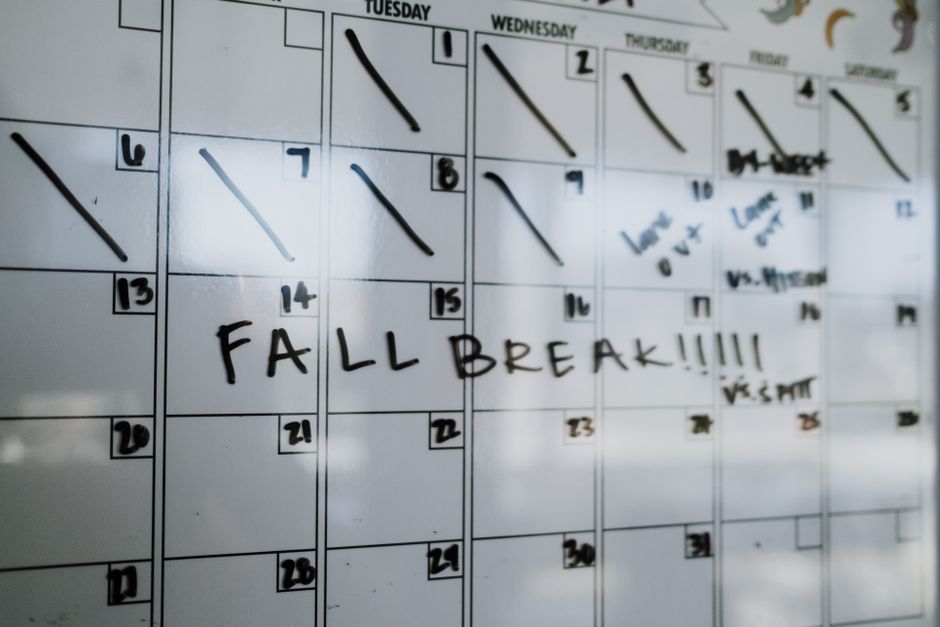
Build the calendar in one sitting. Do not start with the debt balance. Start with the movement of cash through the month.
Follow these five setup steps
- Write down every expected income date for the next 60 days.
- Move each date to the next safe cleared date, usually one business day later for stable payroll and two business days later when your deposit often arrives late.
- List every repayment, its minimum amount, its official due date, and the payment processing time.
- Assign each bill to the income date that will fund it. A bill must never depend on an unnamed future paycheck.
- Add the minimum payment first, then place extra debt payments only after rent, utilities, food, and transport are covered.
Set a safe payment date
The safe date is not always the due date. If a credit card payment is due on the 18th and your bank needs two business days to process an external transfer, the safe date may be the 14th. If the payment platform gives instant confirmation, the safe date may be the 17th. Write down the rule beside the bill so you do not have to rethink it every month.
Use a separate column for payment status: planned, scheduled, cleared, or late-risk. That small detail prevents a common mistake: seeing an autopay instruction and assuming the creditor has received the money.
A repayment calendar you can recalculate in five minutes
The fastest calendar uses a repeating trigger instead of fixed payday assumptions. When one payday shifts, you move the trigger and the payments attached to it. The amounts do not need to be rebuilt from scratch.
Sample calendar for a two-paycheck month
| Bill | Amount | Official due date | Safe payment trigger | Funding source |
|---|---|---|---|---|
| Rent | $1,200 | 1st | Two business days before the 1st | Prior month reserve |
| Car loan | $340 | 15th | Two days after the first cleared payday | Paycheck 1 |
| Credit card minimum | $85 | 18th | Three business days before the 18th | Paycheck 1 |
| Student loan | $210 | 28th | One day after the second cleared payday | Paycheck 2 |
| Extra principal | $150 | No fixed due date | Only after all minimums clear | Remaining cash |
Use the rollover rule when payday moves
Suppose the first paycheck shifts from the 14th to the 16th. Move every payment funded by that paycheck forward by two days, then check the official due dates. If the new safe date would cross a due date, use the reserve or contact the creditor to request a different due date. Do not quietly move the payment to a credit card and call the calendar fixed.
A calendar works when every line has an owner, amount, trigger, and backup. If one line has only a date, it is a reminder, not a repayment plan.
What to do when payday moves after the payment date
What if payday lands on a weekend or bank holiday?
Use the latest likely cleared date, not the employer’s stated payday. A Friday holiday can push money into the following Monday or Tuesday. Mark holidays on the calendar at the start of the year, then add a two-business-day buffer to any payment that depends on that deposit. If your bank regularly makes funds available early, treat early access as a bonus rather than the foundation of the plan.
Never schedule a payment for the same day as an uncertain deposit. That is how a calendar that looks balanced on paper produces a real overdraft.
What if a bill is due before income clears?
Separate the problem into two parts: preventing a late payment and fixing the cash shortfall. First, use an existing reserve if one is available. Second, ask the lender or card issuer to move the due date to a week after your reliable payday. Many lenders allow a due-date change, but the request may take one billing cycle to take effect, so keep the old date active until you receive confirmation.
Do not send only a partial payment unless the creditor confirms how it will be applied. A partial payment may reduce the balance without satisfying the minimum due. The common failures are predictable: relying on pending deposits, ignoring processing times, using a new cash advance to cover an old bill, and counting extra debt payments as mandatory. Minimums protect the account; extra payments happen only after cash has cleared.
YNAB, Monarch, or a spreadsheet: which tool earns its place?
A calendar tool should make payday shifts easier to see, not hide them behind a dashboard. I would not pay for an app until the basic schedule works in a simple grid.
Google Sheets wins for flexible repayment rules
Google Sheets is my first choice for shifting paydays. A free spreadsheet can hold income dates, safe dates, minimum payments, processing buffers, and backup funding in separate columns. It is easy to change a payday from the 14th to the 16th and see every linked payment at once. The tradeoff is manual work: you must update cleared balances yourself, and a spreadsheet will not warn you that an account has changed.
YNAB and Monarch fit different problems
YNAB costs $109 per year or $14.99 per month and is the better paid option for someone who needs strict transaction-level control and a clear job for every dollar. Monarch Money costs $99.99 per year and is stronger for a shared household view, account tracking, and broad cash-flow visibility. My verdict is direct: choose Google Sheets when payday movement is the main problem, YNAB when spending discipline is the main problem, and Monarch when two people need one financial dashboard. A paid app cannot rescue a calendar built on unverified payday assumptions.
My recommended setup for irregular paydays

My pick is a two-layer Google Sheets calendar with a one-paycheck buffer. Keep the first layer for fixed obligations: rent, utilities, minimum debt payments, insurance, and transport. Keep the second layer for optional extra payments. The second layer stays blank until the first layer is marked cleared.
Build the two-layer system
- Use one row for each income event, including the earliest and latest expected cleared date.
- Give every minimum payment a safe trigger and a backup funding source.
- Keep one paycheck, or at least one month’s minimum payments, as a timing buffer before sending extra principal.
- Review the calendar every payday, not only at the start of the month.
- Mark payments cleared only after the creditor or bank confirms them.
This setup handles weekly, biweekly, twice-monthly, and irregular income because it follows events instead of pretending every month has the same shape.
When not to buy a budgeting app
Do not buy YNAB or Monarch if your only need is a visible list of dates and amounts. A spreadsheet is enough. Buy an app when automatic account syncing, shared access, or transaction categorization will save more time and mistakes than the subscription costs. For most people dealing with payday shifts, the real upgrade is not another dashboard. It is a cleared-cash rule, a two-business-day buffer, and a backup plan for every minimum payment.
The single rule that keeps a repayment calendar alive is simple: schedule from cleared cash, then move every payment with the payday that funds it.
Disclaimer: The information on this page is for educational purposes only and does not constitute financial advice. Rates, terms, and eligibility requirements are subject to change. Always compare multiple lenders and consult a licensed financial advisor before borrowing.