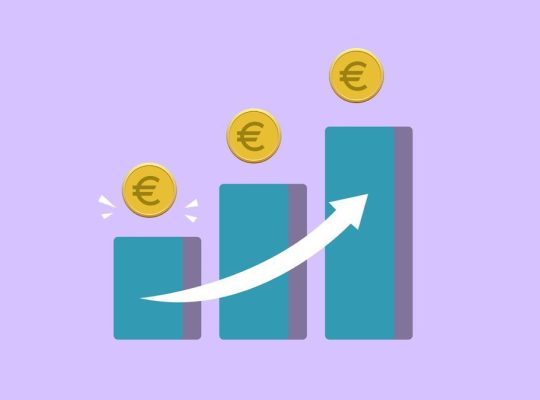
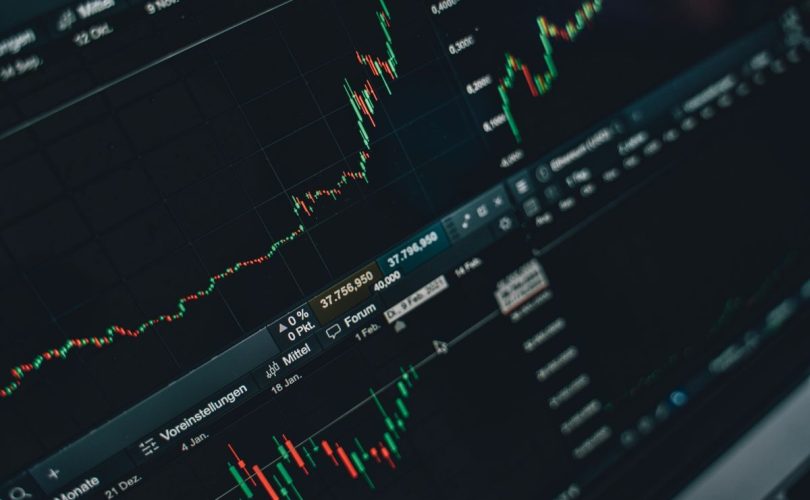
Every investor has a friend who claims they bought the bottom of the 2022 bear market. That friend is either lucky or exaggerating. The rest of us have a better tool: dollar-cost averaging, the practice of investing a fixed amount of money on a fixed schedule, no matter what the market is doing. It is boring, it is automatic, and over time it quietly outperforms most people who try to time their entries.
What Dollar-Cost Averaging Actually Is
Dollar-cost averaging, or DCA, means you invest the same dollar amount at regular intervals. If you put $500 into an index fund on the first of every month, you are dollar-cost averaging. When prices are high, your $500 buys fewer shares. When prices drop, the same $500 buys more shares. Over many cycles, your average cost per share settles below the market’s average price during the same period.
That mathematical quirk is the whole point. You never need to know whether today is a good day to buy, because you buy every day. The strategy removes emotion from the hardest part of investing: deciding when to act.
Why It Beats Trying to Time the Market
Studies have repeatedly shown that market timing fails for most people. The investor who misses just a handful of the best trading days each decade ends up with dramatically lower returns, because gains cluster into short, unpredictable bursts. DCA guarantees you are always in the market for those bursts.
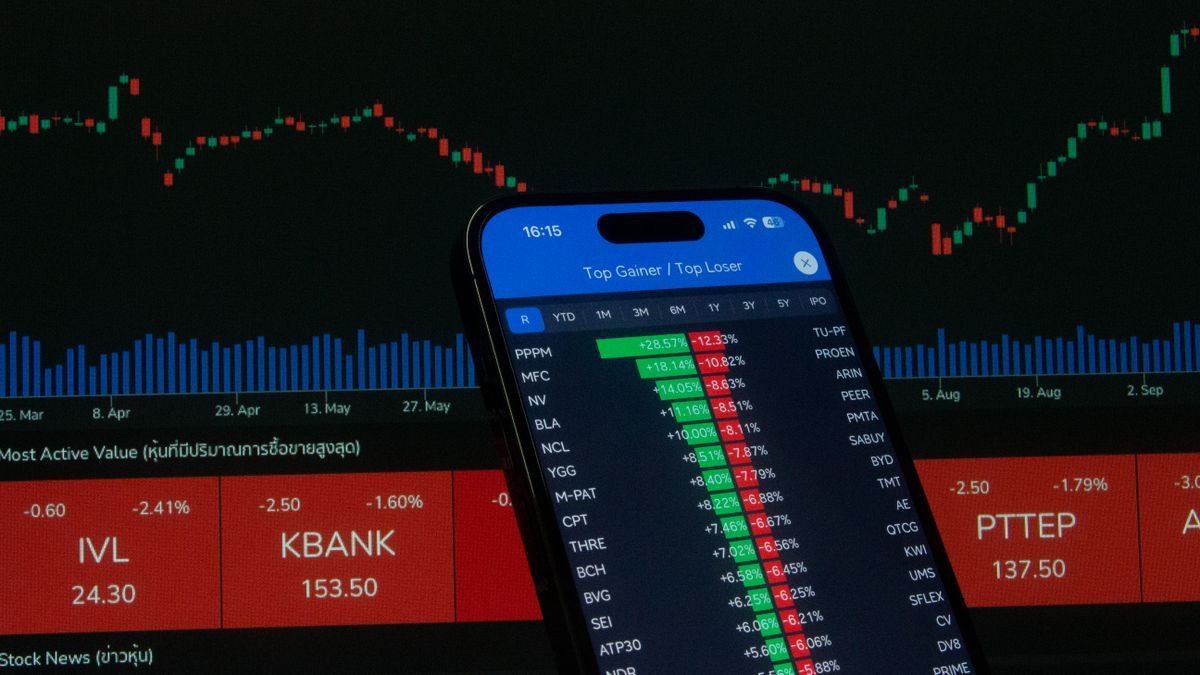
It also protects you from your own psychology. When the market crashes 20 percent, a DCA investor sees an opportunity: their next contribution buys more shares at a discount. A timing investor sees panic, hesitates, and often sells at exactly the wrong moment. Systematic investing turns fear into a buying opportunity.
How to Set It Up in Practice
Setting up DCA takes about fifteen minutes. Open a brokerage account, pick a low-cost index fund or ETF that tracks the broad market, and schedule a recurring transfer on payday. Choose a day, any day, and stick to it. Do not check the account more than once a quarter, and ignore headlines about the Fed, inflation, or the next crash.
The most important variable is not when you buy. It is how much you save and how long you stay invested. A 25-year-old who invests $300 a month with DCA and never stops will almost certainly end up wealthier than a 25-year-old who invests $50,000 in a single lump sum and then spends ten years worrying about the next dip.
The One Case Where DCA Makes Less Sense
If you already have a large lump sum, say an inheritance or a bonus, statistically you are better off investing it immediately rather than spreading it out. The market trends upward over time, so lump-sum investing has a higher expected return. DCA exists to manage psychology and cash flow, not to maximize returns on money you already have. If a big sum lands in your account and you can stomach the short-term swings, invest it now. If you cannot, feed it in over six to twelve months so you sleep at night.
Either way, the habit matters more than the method. Pick a schedule, automate it, and let compound growth do the heavy lifting.