
Stocks and bonds dominate every retirement conversation, but they are not the only ways wealth has been built. Paintings, classic cars, fine wine, watches, and collectible toys have all produced spectacular returns for their owners. The stories are intoxicating: a comic book bought for a dollar selling for a million. The reality is more complicated, and the same qualities that make alternative investments exciting, scarcity, emotion, and storytelling, are what make them dangerous for regular investors.
The Appeal: Diversification and Passion
Alternative assets promise two things at once. The first is diversification: art and wine do not move with the stock market, so owning them can smooth a portfolio’s ride. The second is enjoyment: a painting on your wall or a vintage car in your garage is an investment you can love, unlike a mutual fund statement.
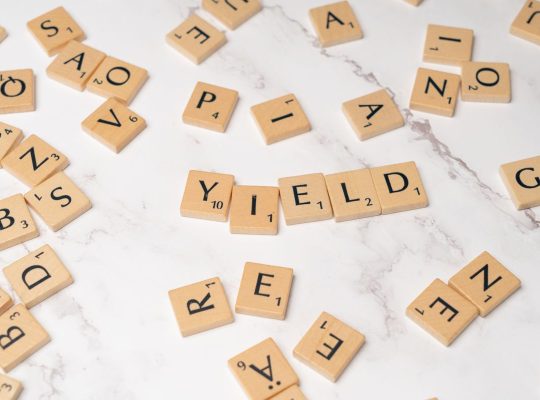
Both appeals are real. Collectibles have a low correlation to stocks, and for people who genuinely love the objects, the “yield” includes the joy of ownership, which no spreadsheet captures. The people who do best with alternatives are almost always collectors first and investors second, because the love of the object carries them through the years when the price does nothing.

The Costs: Illiquidity, Volatility, and Fees
The same features that make alternatives attractive make them expensive to own. The first problem is liquidity: you cannot sell a painting in five minutes. Sales take weeks or months, through auction houses and dealers who take 10 to 30 percent in commissions. When you need cash, the market does not care.
The second is information. A stock has audited financials and a million analysts watching it. A painting has a provenance trail and a handful of experts, and its price depends on fashion, the economy, and which collector wants it. The bid-ask spread, the gap between what a dealer pays and charges, is enormous, and the retail buyer is almost always on the wrong side of it.
The third is hidden carrying costs: insurance, storage, conservation, authentication, and the opportunity cost of money sitting in an asset that produces no income. A wine collection needs temperature control. A car needs maintenance. A watch needs servicing. The returns have to cover all of that before they beat a simple index fund.
The Rational Way In: Fractional Platforms and Funds
If you want exposure without the collector’s burden, the modern answer is fractional ownership platforms, which sell shares of fine art, classic cars, and other collectibles, and funds that hold them. You buy a slice, the platform handles storage and insurance, and you can sell your shares online. The fees are significant, the track record is short, and the returns are unproven across a full cycle, but the model removes the three big problems: liquidity, storage, and expertise.
Treat these as a tiny satellite position, 2 to 5 percent of your portfolio at most, and only money you can afford to tie up for years. The same rule applies to direct collecting: never buy a collectible expecting to sell it at a profit, because most collectibles do not appreciate, and the ones that do take decades and luck.
The Verdict for Regular Investors
For 95 percent of people, the alternative investment portfolio is a collector’s hobby with investment pretensions. The rational allocation to alternatives, at the size that does not hurt you, is so small that it barely moves your net worth. The honest path: max out your index funds first, fund your emergency account, and only then, with money you can light on fire, buy the painting or the wine, because you love it, and enjoy it as the luxury it is. If it also appreciates, that is a happy accident, not a plan.