
Modern life is a convenience machine. Dinner arrives at your door, groceries appear in an hour, and a subscription delivers anything on demand. Each convenience is individually small, and that is exactly the problem: a $4 delivery fee here, a $3 service charge there, a $6 markup on a sandwich you could have made for $2. The costs are invisible because they are spread across dozens of small transactions, and they quietly add up to hundreds of dollars a month, the largest spending category most people never audit.
What Convenience Actually Costs You
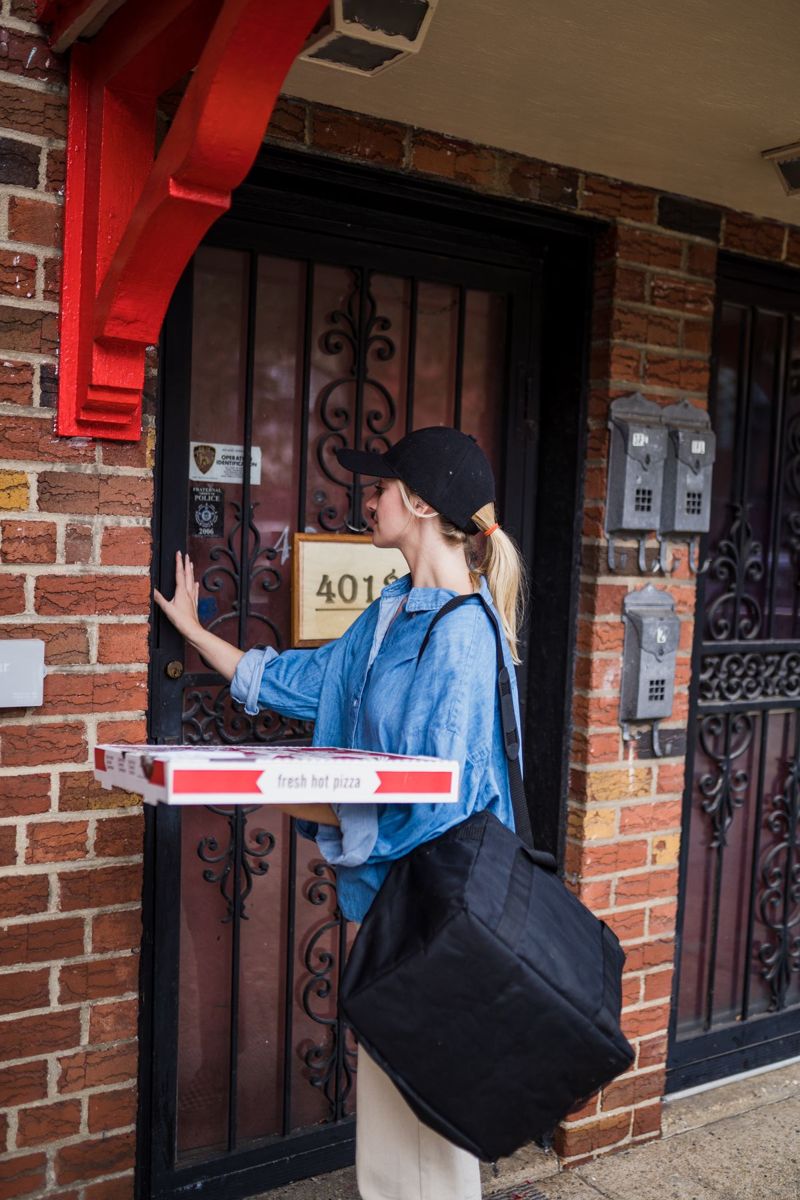
Take a typical food delivery order. A $15 restaurant meal becomes $24 after delivery fees, service fees, and tip, a 60 percent markup. Do that twice a week and the markup alone is $900 a year. Grocery delivery adds similar fees, and the markup on convenience packaging, pre-cut vegetables, single servings, individually wrapped snacks, is routinely 30 to 100 percent over the bulk version.
The same logic applies everywhere: the convenience store charges double the supermarket, the espresso is five times the home-brewed cup, the rideshare costs ten times the bus, and the “instant” version of everything costs more than the version that takes ten minutes. None of these are bad purchases; they are bad habits when they are automatic rather than chosen.
The Real Price Is Invisible
The sneakiest part of convenience spending is that it does not feel like spending. The money leaves your account in small, frictionless transactions, and nothing makes you stop and think. Behavioral research calls this the pain of paying: when payment is invisible, you consume more. Cash makes you feel the loss; tapping a phone does not. Convenience products are engineered to maximize that invisibility, which is why they are so profitable and so dangerous to a budget.
The monthly statement is the antidote. Pull a month of transactions and highlight every delivery fee, service fee, markup purchase, and convenience buy. The total will be a number you can feel, and feeling it is the first step to cutting it.
Which Conveniences Are Worth It
Convenience is not evil; it is a product you should buy deliberately. The question is not “is this convenient?” but “is this convenience worth its price?” For a household with two working parents and no time, a meal delivery service that saves an hour of cooking may be worth $10. For a household ordering delivery because they did not plan dinner, the same $10 is a tax on disorganization.
Price your time honestly: if your hour of free time is genuinely valuable, paying for convenience is rational. The mistake is paying for convenience you do not need, or that you could get for a third of the price with five minutes of planning.
The Shortcuts That Save Real Money
Replace the expensive conveniences with cheap ones that feel nearly as good. Keep a rotation of three meals you can cook in 20 minutes, and stock the ingredients, which kills the “nothing to eat” delivery trigger. Batch-prepare coffee and lunches. Buy staples in bulk and portion them yourself. Choose the supermarket’s pre-cut option only when you will actually use all of it, because food waste is the hidden cost of convenience packaging.
And impose a rule for small transactions: anything under $20 that you did not plan to buy waits 24 hours. Most convenience purchases are impulse purchases wearing a service fee. Track your convenience spending for a month, cut the ones that were pure habit, and route the savings to something you actually want. The money is already leaving your account; the question is whether it buys you anything you will remember.