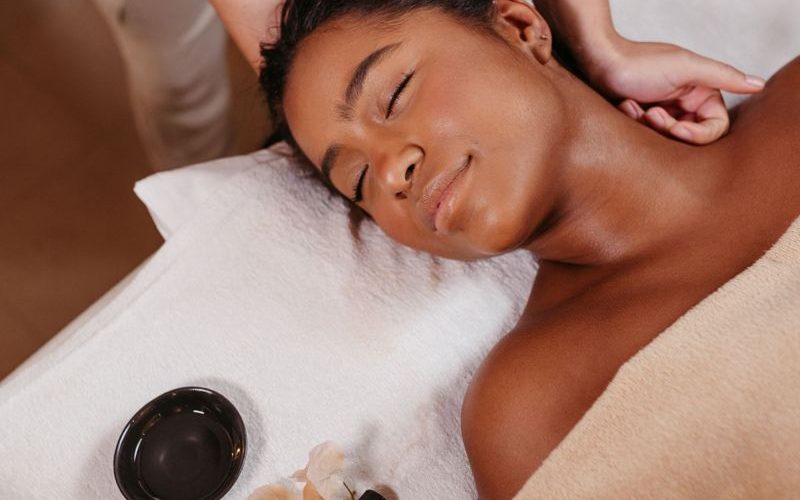
Self-care has a marketing problem. The term now conjures $80 candles, $200 facial treatments, and weekend spa getaways, all of which carry a subtle message: if you are not spending, you are not caring for yourself. That message is both wrong and harmful, because it turns stress relief into another source of financial stress. The real research on wellbeing points the other way: the most effective self-care practices are cheap, free, or even involve spending less.
What Self-Care Actually Is
Self-care is any deliberate action that restores your energy, regulates your emotions, or protects your health. It is a shower, not a spa. A walk, not a retreat. A full night of sleep, not a full night of shopping. The clinical evidence consistently finds that the most powerful interventions are sleep, exercise, time outdoors, social connection, and mindfulness, none of which require a purchase.
The marketing version of self-care is a transaction: you feel depleted, you buy the product, you feel briefly better. The problem is that the effect fades, the credit card bill does not, and the cycle trains you to reach for spending whenever you feel stressed, which is the opposite of caring for your finances.

The Free Toolkit That Works
Build your own low-cost self-care system around the things that are free and effective. Sleep is the foundation: a consistent bedtime, a dark and cool room, and no phone in bed cost nothing and outperform most products. Movement is second: a 20-minute walk, a free workout video, stretching, anything that gets your heart up, has antidepressant effects comparable to medication for mild depression. Time outdoors, even in a city park, measurably lowers stress hormones.
Connection is the third pillar: a phone call with a friend, a shared meal, a walk with a partner. Loneliness is a health risk on par with smoking, and the cure is free. And mindfulness, ten minutes of meditation through a free app or just focused breathing, trains the brain to observe stress instead of reacting to it.
Make It a Routine, Not a Reward
The mistake most people make is treating self-care as a reward for surviving the week instead of a daily practice. A weekly $150 massage is not self-care if you are burned out every other day; it is a Band-Aid. The routine version is smaller and daily: ten minutes of reading, a lunch break actually taken, a boundary enforced at work, a glass of water and a walk at three in the afternoon.
If you do want to spend on self-care, spend on things that compound: a good mattress, quality running shoes, a gym membership you actually use, therapy or coaching, which have the strongest evidence base of any self-care spending. These are investments in your health that pay daily returns, not purchases that pay for thirty minutes of feeling pampered.
The Financial Side of Self-Care
There is a deeper connection between money and self-care that the marketing never mentions: financial stress is one of the biggest drains on wellbeing, and the most caring thing you can do for yourself is often financial, not retail. An emergency fund, a budget that includes guilt-free fun money, and a plan for debt are self-care. The relief of seeing your accounts in order outperforms any candle.
Set a rule that protects both budgets: before any self-care purchase over $50, list one free alternative that could deliver the same benefit. Usually the walk, the call, or the early night wins. Self-care was never about the spending; it was about the attention, and attention is the one resource you do not need to buy.