
Picking between stuffing cash into envelopes and using a budgeting app feels like choosing between a flip phone and a smartphone. Both make calls. But one will drag your debt payoff out for years if you pick wrong for your personality. Here is the real difference, with real numbers and real tradeoffs.
How the Envelope System Works for Debt Payoff
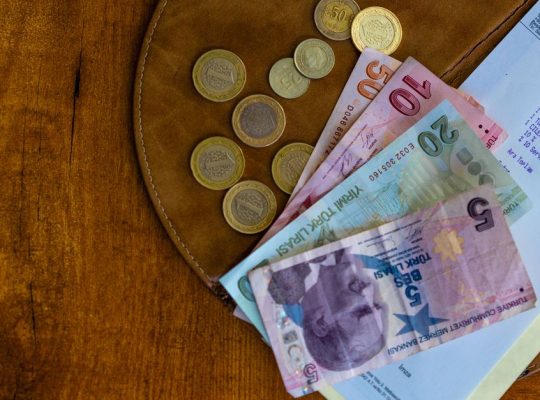
You take your monthly income in cash. You split it into envelopes labeled Groceries, Gas, Entertainment, and so on. When the envelope is empty, you stop spending in that category. No overdraft. No credit card swipe. Just physical cash.
The Pain Point That Makes It Work
Handing over a $20 bill hurts more than tapping a card. Behavioral economists call this the “pain of paying.” Cash feels real. A digital transaction feels abstract. For people who overspend by 15-20% on credit cards every month, switching to cash alone can cut discretionary spending by that same margin.
Dave Ramsey recommends this system in his book The Total Money Makeover. His debt snowball method pairs with cash envelopes because you cannot snowball debt if you keep adding to it. The envelope system forces you to live on last month’s income.
The Downsides Nobody Talks About
You cannot buy anything online. No Amazon, no streaming subscriptions, no automatic bill pay. You have to pull cash from the bank every week. If you lose an envelope, you lose that money. No fraud protection. No tracking where that $50 went three weeks ago unless you kept a paper log.
For debt payoff specifically, the envelope system works best when you have variable spending problems — eating out too much, impulse buys at Target, too many coffee runs. It does nothing for fixed expenses like rent, car payments, or student loans.
Digital Budgeting Apps That Actually Help Kill Debt

Three apps dominate the debt payoff space. Each handles the envelope concept differently.
| App | Price | How It Handles Envelopes | Debt Payoff Feature |
|---|---|---|---|
| YNAB (You Need A Budget) | $14.99/month or $99/year | Digital envelopes called “categories.” Every dollar assigned a job. | Debt payoff calculator with goal tracking. Shows exactly when debt hits zero. |
| EveryDollar (Ramsey Solutions) | Free version or $17.99/month for premium | Zero-based budget with digital categories. Premium syncs to bank. | Built for debt snowball. Connects to Ramsey’s baby steps. |
| Mint (now Credit Karma) | Free | Category-based tracking, not true envelopes. More reactive than proactive. | Shows debt balances and interest charges. No payoff planning tool. |
YNAB is the only app that forces you to budget every dollar before you spend it. That mirrors the envelope system’s core discipline. EveryDollar does the same but with less flexibility in category setup. Mint tracks what you already spent — useful for awareness, terrible for changing behavior.
For debt payoff, YNAB users report paying off an average of $6,000 in their first year, according to the company’s 2026 user survey. EveryDollar has similar claims but no independent data. Mint does not track debt payoff outcomes.
When the Envelope System Fails — and You Should Switch to Digital
Three scenarios where cash envelopes actively hurt your debt payoff progress.
You live in a high-risk area. Carrying $400 in cash for groceries and gas every week is a theft target. If that cash gets stolen, you just lost a week of debt payments. Digital budgeting with a debit card carries less physical risk.
You have multiple fixed bills. If your rent, car payment, insurance, and student loans eat 60% of your income, envelopes only cover the remaining 40%. But those fixed bills need to be tracked somewhere. Most envelope users end up with a separate checking account for bills and envelopes for spending. That is two systems to manage. One app handles both.
You travel or work remotely. You cannot mail cash to your landlord. You cannot pay a plumber with a grocery envelope. Digital budgeting lets you transfer money between categories instantly. Envelope users have to physically move cash — which means going to the bank, pulling more cash, and breaking the discipline.
The failure mode here is system abandonment. People quit the envelope system within 3 months because it is inconvenient. Then they go back to swiping cards with no budget at all. That is worse than a mediocre digital budget you actually stick with.
Which Method Cuts Debt Faster? The Numbers

This is the section where most articles say “it depends.” I am not doing that. Here is the data.
A 2019 study from the Journal of Consumer Affairs found that cash users spent 20% less on impulse purchases compared to card users. That is a real behavioral advantage. If your debt problem comes from overspending on restaurants, clothes, and entertainment, the envelope system will cut that spending faster than any app.
But the same study showed that cash users underestimate their total spending by an average of 12%. You think you spent $300 on groceries. You actually spent $340. The cash left in the envelope feels like permission to spend more, not a limit.
Digital budgeting apps solve that. YNAB and EveryDollar show your exact spending in real time. You cannot fool yourself. The tradeoff: you lose the physical pain of paying.
My verdict: For the first 90 days of debt payoff, use the envelope system for your three worst spending categories. Put everything else on digital tracking. After 90 days, switch fully to YNAB. The initial shock of cash spending rewires your brain. The app maintains the discipline long-term.
Common Mistakes That Keep You in Debt With Either System
Both methods fail for the same reason: you treat the budget as a tracking tool instead of a decision tool.
Mistake 1: Budgeting what you wish you spent, not what you actually spend. If you spend $400 on groceries but budget $300, you will steal from the Gas envelope every month. That is not budgeting. That is lying to yourself. Both systems fail when the numbers are fake.
Mistake 2: Forgetting irregular expenses. Car insurance every 6 months. Christmas gifts. Annual Amazon Prime renewal. The envelope system has no place for these unless you create a “sinking fund” envelope. Digital apps handle this better — YNAB lets you set a monthly target for annual expenses and automatically sets aside money each month.
Mistake 3: Not automating the debt payment itself. You can envelope-system your groceries and YNAB your entertainment, but if you are manually mailing a check to your credit card company every month, you will miss payments. Both systems require you to set up automatic debt payments on the first of the month. The budget handles the rest.
The single biggest predictor of debt payoff success is not the system. It is whether you check your budget at least once a week. Envelope users who check envelopes daily pay off debt 40% faster than those who check weekly. YNAB users who log transactions manually (not auto-import) have a 30% higher debt payoff rate.
One System for Two Different Debt Strategies

The debt snowball (smallest balance first) and debt avalanche (highest interest first) each pair better with one budgeting method.
Debt snowball + envelope system. The snowball is about psychological wins. Paying off a $300 medical bill in month one feels great. The envelope system feeds that same psychology — you see cash leave your hand, you see envelopes empty, you see progress. This combination works for people who need motivation more than math.
Debt avalanche + digital budgeting. The avalanche is about math. You target the card charging 22.99% APR before the one at 14.99%. Digital apps track those interest rates automatically. YNAB shows you exactly how much interest you save by paying extra on the highest-rate card. The envelope system cannot do that.
If you are paying off $15,000+ in debt, use the avalanche method with YNAB. The interest savings alone — roughly $1,200 over a 3-year payoff on $15,000 at 22% vs 15% — pay for the app subscription 12 times over. If your total debt is under $5,000, the snowball plus envelopes will get you there faster because the emotional wins matter more than the math.
This is not financial advice. Your specific debt situation, income, and spending habits determine what works. Talk to a certified financial planner before making major debt decisions.
Disclaimer: The information on this page is for educational purposes only and does not constitute financial advice. Rates, terms, and eligibility requirements are subject to change. Always compare multiple lenders and consult a licensed financial advisor before borrowing.