
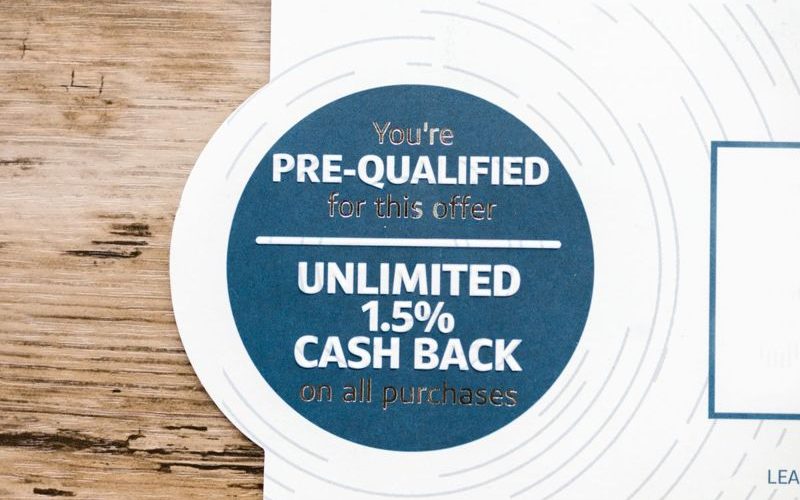
Every wallet now contains a card that promises something back: cash, points, miles, or “rewards.” The promises range from genuinely valuable to quietly useless, and the difference is not luck; it is understanding how each type of reward actually works. Done right, credit card rewards are a real discount on your spending, worth hundreds of dollars a year. Done wrong, they are an incentive to overspend, and the “reward” is dwarfed by the interest.
The Three Families of Rewards
Cash back is the simplest and most honest reward: you earn a percentage of every purchase, usually 1 to 5 percent, credited to your account. No categories to manage, no redemption puzzles, the cash is just cash. For most people, a solid cash-back card is the right default, because its value is easy to see and impossible to dilute.
Points are a middle ground: you earn points per dollar, and you redeem them for statement credits, gift cards, or travel through the issuer’s portal. Points have a flexible value, typically 1 cent each, but they can be worth more with strategic redemption. The complexity is the catch, because issuers design the portals to make you spend points inefficiently.
Miles are the travel specialty: you earn miles redeemable for flights, hotels, and upgrades. The value can be extraordinary, a business-class flight for a fraction of its cash price, or nearly worthless, depending on the airline, the route, and the dates. Miles are a game for enthusiasts, and like most games, they reward the people who learn the rules.

The Golden Rule: Never Pay Interest for Rewards
Every rewards strategy collapses under one condition: a carried balance. If you pay 25 percent interest to earn 2 percent back, you are losing, badly, and the rewards are a bribe to keep you in debt. Rewards cards work only if you pay the statement balance in full every month. If you cannot commit to that, use a no-frills card or a debit card, and treat the rewards question as closed.
This rule filters out most of the population, which is exactly why issuers offer generous sign-up bonuses: they are counting on the interest. The rewards ecosystem is subsidized by the people who carry balances, and your job is to be on the collecting side of that subsidy, not the paying side.
Building a Simple Rewards Setup
You do not need ten cards to play the game well. A simple, high-value setup is two cards: a 2 percent flat cash-back card for everything, and a category card that pays 4 to 5 percent on your biggest spending category, groceries, gas, dining, whichever is largest in your household. Use each card where it pays the most, pay both in full monthly, and cash out regularly.
Avoid the traps that dilute value: cards with annual fees you do not earn back, “rewards” that expire, rotating categories you forget to activate, and issuers that devalue points after you accumulate them. The best rewards card is the one you actually use, and the best reward is the one you actually redeem.
When Points and Miles Are Worth the Effort
If you travel regularly, a points or miles setup can be worth real money: sign-up bonuses alone, worth $500 to $1,000 in travel value, plus the acceleration from spending in travel categories. The strategy requires discipline: never spend extra to hit a bonus, pay balances in full, and plan redemptions to get more than 1 cent per point. For infrequent travelers, the extra complexity rarely pays; the cash-back card wins on simplicity.
The final rule applies to every card: rewards are a discount on spending you would do anyway, never a reason to spend. The credit card companies are not giving you free money; they are giving you a share of the fees they collect, and the whole system works only if you use the card as a payment tool, never as a credit line. Pay in full, redeem deliberately, and the rewards become what they are supposed to be: a small, steady discount on the life you were already living.