
There is a well-known money rule that says you need an emergency fund for the unexpected. That is true, but it leaves a gap: what about the expected big expenses? The vacation you book every summer, the car repair you can see coming, the holiday gifts you know arrive every December. If you pull those from your emergency fund, you drain the cushion meant for real crises. The cleaner answer is a sinking fund, a separate savings pot you fill gradually for a specific upcoming cost.
What a Sinking Fund Is and Why It Works
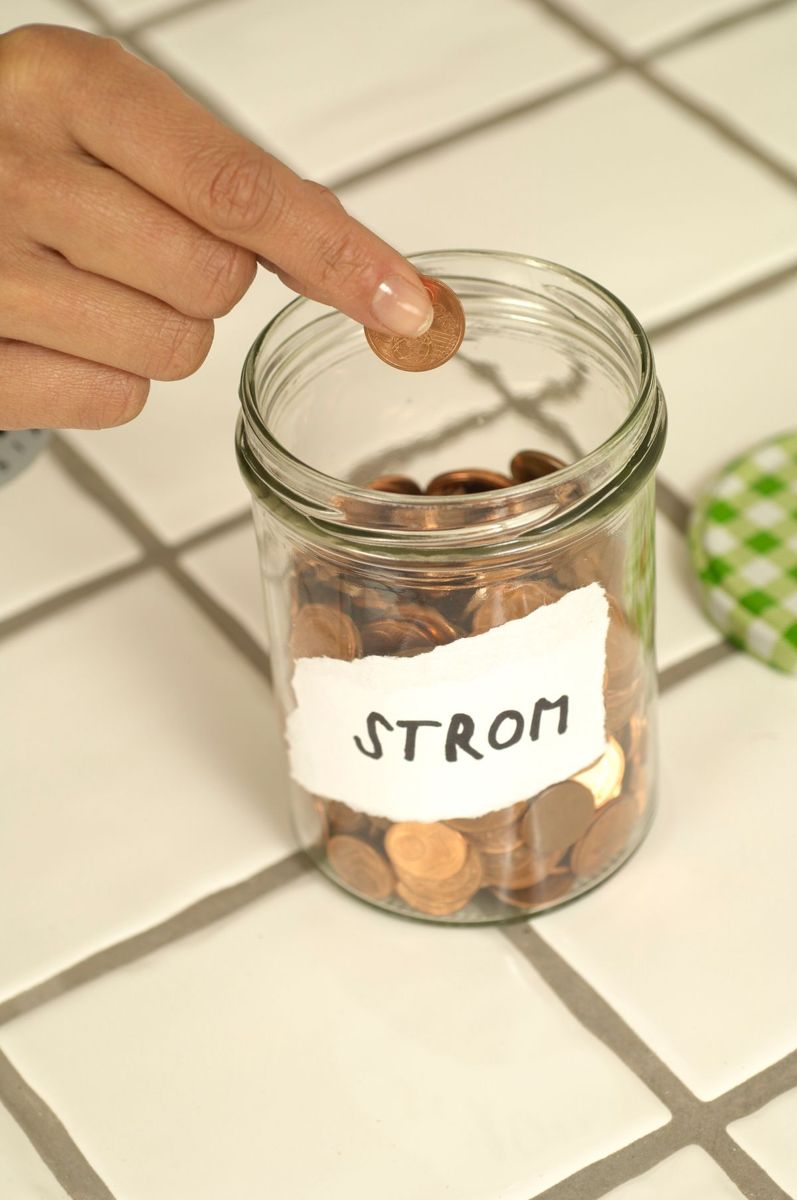
A sinking fund is simply money set aside in advance for a planned expense. You decide the goal, the timeline, and the monthly contribution, then automate the transfers. If a family vacation will cost $1,200 in twelve months, you save $100 a month and the trip is paid for before you book it.
The reason this works is psychological as much as mathematical. When the money is already saved, spending it does not feel like a loss. You are not choosing between the vacation and next month’s rent, because the vacation money was never available for anything else. Sinking funds also kill the two worst financing habits: putting purchases on credit cards and raiding your emergency fund.
Which Expenses Deserve a Sinking Fund
Start with the predictable irregular bills that ambush most budgets. Annual insurance premiums, property taxes, car registration, and membership renewals arrive once a year and always seem to land in the same month as something else. Divide the annual cost by twelve and stash the monthly share away.
Then add the big-ticket wants. Vacations, holiday spending, back-to-school costs, a new laptop, a wedding, a baby, a roof repair you know is coming. If the expense is more than a couple hundred dollars and you can name the month it will hit, it qualifies. Even smaller items like haircuts and birthday gifts work well as sinking funds if they tend to bust your monthly budget.
How to Set One Up in Ten Minutes
Open a separate savings account for each major goal, or use a bank that lets you create labeled sub-accounts. Name the account so you remember what it is for, “Mexico Trip 2026” works better than “Savings 2.” Then calculate the contribution: goal amount divided by months until you need it. Set up an automatic transfer on payday, the same day your paycheck lands.
If your bank does not support multiple accounts, use a spreadsheet or a budgeting app to track each fund’s balance instead. The key is separation. Money that shares a balance with your everyday savings will get spent on whatever comes up first.
Sinking Funds vs. Emergency Fund
Keep them separate on purpose. Your emergency fund covers unknown unknowns: job loss, medical bills, surprise repairs. Sinking funds cover known expenses you can plan for. If you use one pot for both, you are always guessing whether a withdrawal is legitimate, and emergencies have a way of becoming whatever you want to buy this month.
A good rule of thumb is to build the emergency fund first to one month of expenses, then start sinking funds while continuing to grow the emergency cushion to three to six months. The sinking funds handle the calendar, the emergency fund handles the chaos.
The Habit That Makes It Stick
The final piece is a monthly review. Once a month, look at each sinking fund and confirm the balance is on track. If you overspent on groceries, the vacation fund should not feel it, adjust future contributions instead. Automation does the saving, but a five-minute check keeps the plan honest.
Sinking funds will not make you rich by themselves. What they do is remove the stress from planned spending, protect your emergency fund, and keep big purchases off your credit card. For the cost of one monthly transfer, you stop borrowing from your future self and start paying yourself first.