The emergency fund is the most unglamorous piece of personal finance, which is exactly why it is the most important one. It is not an investment. It does not earn exciting returns. It simply sits there, ready to catch you when the car breaks, the roof leaks, or the paycheck disappears. Yet roughly half of American households say they could not cover a $1,000 surprise expense with cash. If that sounds like you, this guide is for you.
Why an Emergency Fund Comes First
Every other financial goal, from paying off debt to investing for retirement, becomes fragile without a cash cushion. Without one, an unexpected expense pushes you onto a credit card at 25 percent interest, which undoes months of debt repayment progress in a single week. The emergency fund is not competing with your other goals. It is the foundation that lets the other goals survive contact with real life.
How Much Do You Actually Need?
Start small. A $500 starter fund covers the most common emergencies and takes the pressure off immediately. From there, work toward one month of essential expenses, then three, then six. If your income is steady and your job is stable, three months is a reasonable target. If you are self-employed, commission-based, or the only earner in your household, aim for six to nine months.
How to Build It on a Tight Budget
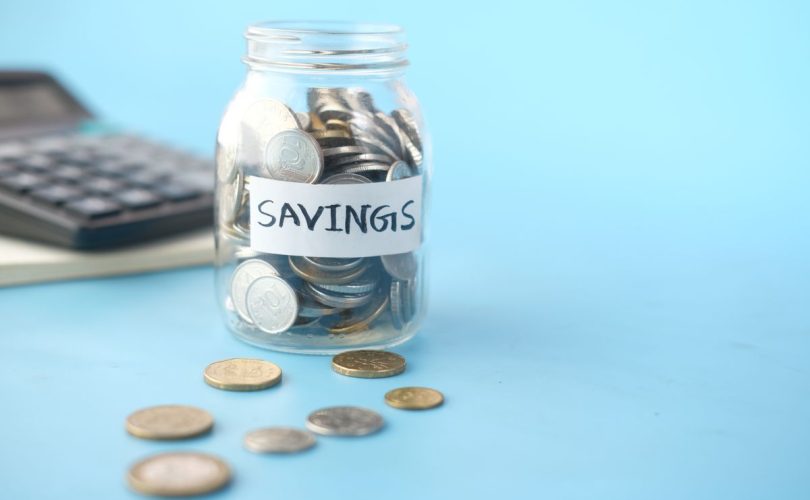
Building an emergency fund on a tight budget comes down to one principle: make it automatic and make it visible. Open a separate high-yield savings account and set up a recurring transfer of whatever you can afford, even $25 a week. The money should leave your checking account on payday, before you have a chance to spend it.
Then attack the leaks. Cancel subscriptions you forgot you had. Switch your phone plan to a prepaid carrier. Shop grocery store sales and cook at home three more nights a week. Sell the items in your closet that have not been touched in a year. Every recovered dollar goes straight into the fund.
One-time windfalls count too. Tax refunds, bonuses, birthday money, and side hustle income should be split: half to the emergency fund, half to whatever you want. The fund grows faster than you expect when you stop leaving money on the table.
When Is It Okay to Use It?
The rules are simple. Use the fund for genuine emergencies: medical bills, essential car repairs, job loss, a broken furnace in winter. Do not use it for wants, planned expenses, or anything that could have been budgeted for in advance. If you do dip into it, make replenishing it your top financial priority for the next few months. An emergency fund you do not rebuild is just a very expensive credit card.
Finally, keep the fund boring. No crypto, no stock picking, no “high-return” schemes. The job of this money is not to grow. Its job is to be there. A high-yield savings account or money market fund at four to five percent is exactly the right amount of excitement for an emergency fund.