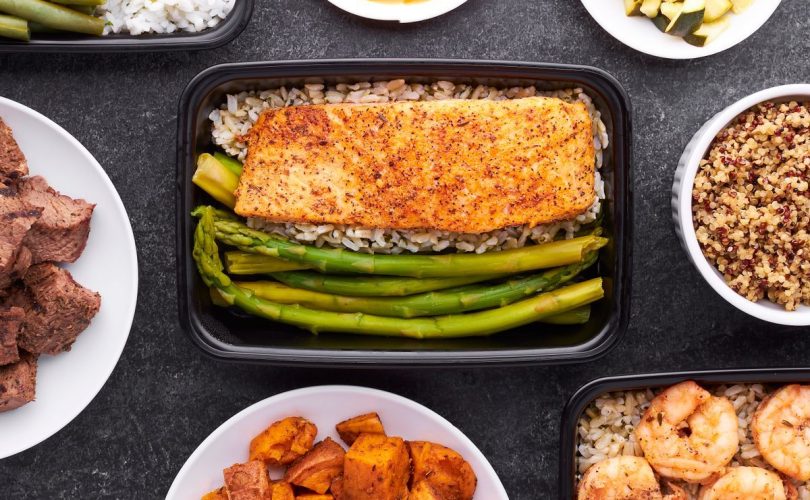
Food is the budget line most people can actually control, and it is often the biggest one after housing. The average household spends thousands a year on groceries and restaurant meals, and a meaningful slice of that is waste: produce that goes bad, takeout ordered because there was nothing planned, and impulse buys at the checkout. Meal planning attacks every one of those leaks at once. Done consistently, it routinely cuts food spending by 25 to 30 percent without eating worse.
Why Meal Planning Saves Money
The mechanics are simple. When you plan a week of meals before shopping, you buy only what the plan requires. That eliminates the two biggest sources of waste: food you never use and meals you buy because you have nothing ready. Studies have consistently found that households that plan their meals throw away less food and spend less on restaurants, because a plan means a default answer to “what’s for dinner.”
Planning also changes how you shop. You walk into the store with a list and leave in the produce section instead of wandering the aisles. Retailers design stores to make you impulse buy, and a list is your defense. Every unplanned item in your cart is a small tax on your budget, and planning removes most of them.
The Weekly Planning Routine
Set aside twenty minutes once a week, ideally before you shop. Check what you already have in the pantry, fridge, and freezer, then build meals around those ingredients first. This is the step most people skip, and it is the reason their plans never match their spending.
Choose five to seven dinners for the week. Keep it realistic; two of them can be simple meals like pasta, eggs, or stir-fry. Use overlapping ingredients so nothing goes to waste. If you buy a bag of spinach, plan it into three meals rather than one. Then write the shopping list from the plan, organized by store section, and stick to it.
Batch Cooking and Leftovers Are the Secret
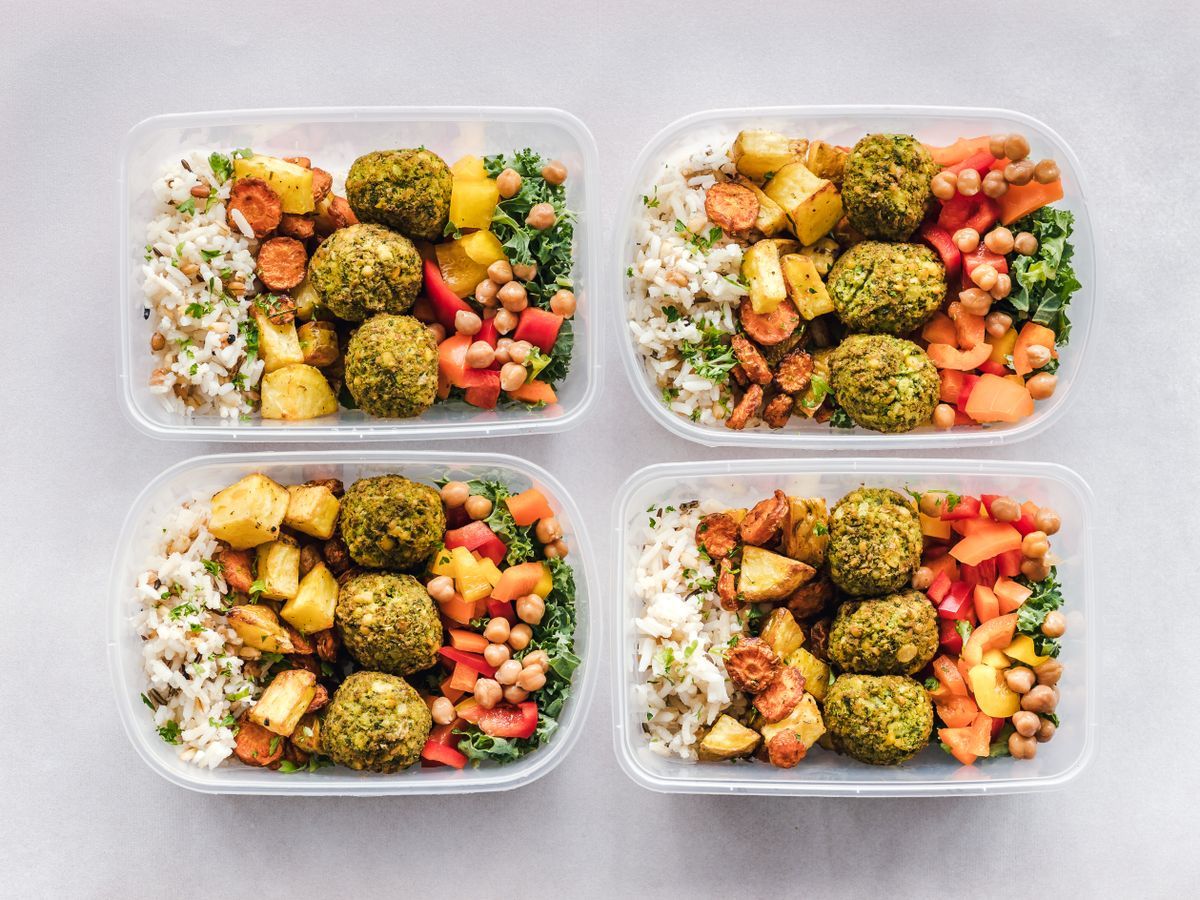
The biggest reason plans fail is time, not money. Cooking from scratch every night is exhausting, so the solution is to cook in batches. Double a recipe and freeze half. Roast a whole tray of vegetables on Sunday and use them in salads, grain bowls, and sandwiches all week. Cook a large pot of beans, chili, or soup, and you have two or three meals covered.
Leftovers are not a failure; they are a feature. Design them deliberately. When you make rice, make extra for fried rice tomorrow. When you grill chicken, cook two extra pieces for lunch. A fridge full of ready food is the most reliable defense against takeout, and every takeout meal you avoid is money kept.
Strategies That Multiply the Savings
Pair planning with a few shopping tactics and the savings compound. Buy store brands for staples; they are often the same product at a fraction of the price. Shop the weekly sales circular and plan meals around what is discounted. Buy meat in bulk when it is on sale and freeze portions. And never shop hungry, it is the single most expensive mistake in grocery retail.
Track your food spending for a month before and after you start planning. The difference will convince you faster than any article. Meal planning is not about gourmet cooking or extreme frugality. It is about deciding ahead of time what you will eat, so the money you already spend goes further.