
Grocery prices have a way of creeping up until the monthly total becomes a shock. The extreme couponing shows on television make cutting the bill look like a full-time hobby involving binders and stockpiles, but the truth is that most of the savings come from a handful of unglamorous habits. For a typical family, food is one of the largest flexible budget categories, and cutting it by half is genuinely possible without eating worse.
Know Where the Money Actually Goes
Before you change anything, find out what you are buying. Save your receipts for two weeks and sort the spending: meat, produce, dairy, snacks, drinks, prepared foods, and household items bought in the same trip. Most people are surprised to find that prepared foods and drinks, not the “healthy” staples, are the biggest chunk. A $5 bag of chips here and a $4 latte there becomes $200 a month without a single memorable purchase.
Once you see the breakdown, target the top two categories. If prepared snacks and soda lead, cutting them alone can slash the bill by 20 percent. If meat leads, restructuring how you buy and cook it will do more than any coupon.

Change How You Shop, Not Just What You Buy
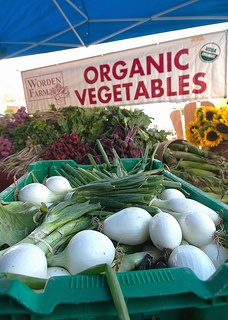
Most grocery savings come from shopping behavior. Never shop hungry, and go in with a list built from a meal plan. Shop the store’s perimeter, where whole foods live, and limit time in the center aisles, where the highest-margin packaged goods are engineered to attract you. Buy store brands for staples like rice, pasta, canned goods, and dairy; the quality gap has mostly disappeared while the price gap has not.
Learn your store’s markdown schedule. Most stores discount meat, bakery, and prepared foods at predictable times, often early morning or evening. A trip timed to those markdowns can get you 30 to 50 percent off proteins that are still perfectly fine, just near their sell-by date. Freeze them the same day and you have stocked a low-cost protein supply.
Restructure Your Meals
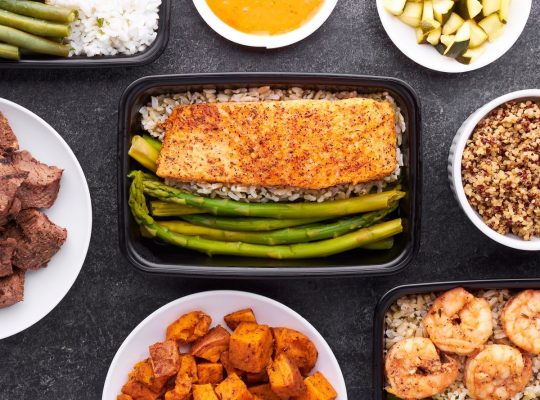
The meal structure determines the cost more than any single recipe. Build meals around cheap, filling bases: rice, beans, lentils, potatoes, eggs, and oats. Use meat as a flavoring and protein supplement rather than the centerpiece, a stir-fry with half the chicken and twice the vegetables costs less and is just as satisfying. Eat meatless two or three nights a week.
Cook in bulk and repurpose leftovers. A roasted chicken becomes sandwiches, then a soup from the carcass. A batch of beans and rice feeds lunches for days. Every meal that starts from cooked ingredients instead of takeout is a saving of several dollars, and those add up to hundreds a month.
The Habits That Stack
Combine these tactics and the savings multiply. Bulk-buy staples like rice and oats when they are on sale. Skip bottled water and individually packaged snacks. Grow even a small herb garden, fresh herbs at supermarket prices are one of the worst cost-to-value ratios in food retail. Track the bill for a month and you will see the drop, often close to half for families that were heavy on convenience food.
None of this requires clipping coupons or spending hours planning. It requires noticing where the money goes, shopping with a plan, and letting cheap ingredients do the heavy lifting. Your grocery bill is one of the few numbers you can move significantly in a single month, and the movement is visible.