
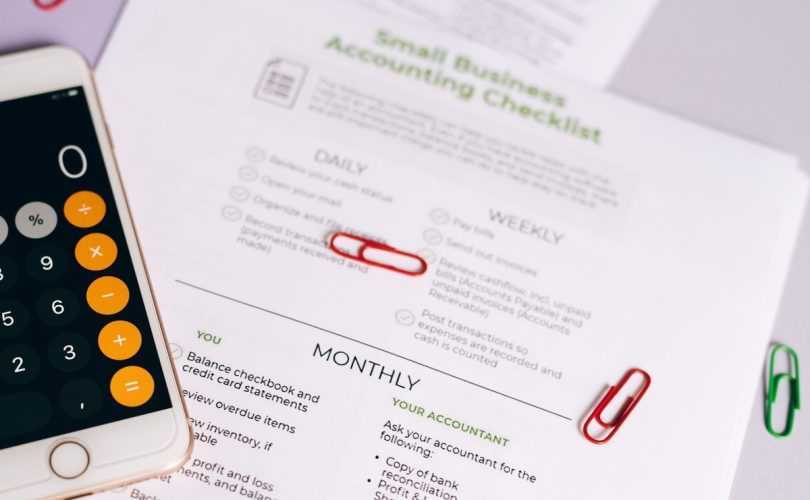
Money problems rarely announce themselves. They build quietly: a subscription you forgot, a credit card balance creeping up, an insurance policy that doubled, an old account with fees bleeding out. The fix is not a dramatic overhaul. It is a monthly financial checkup, thirty minutes on the same day every month, to catch the leaks before they become floods. Doctors recommend annual physicals. Your money deserves a monthly one.
The Setup: One Calendar Block, One Checklist
Pick a recurring time, the first Sunday afternoon, the last Friday morning, whatever sticks, and block thirty minutes. Put it in the calendar with a reminder so it becomes a habit rather than a resolution. Have a checklist ready so the session runs itself. The goal is not to solve every problem; it is to see what changed and flag what needs action.
Keep a running list of questions that came up during the month, a stray bill, a confusing charge, a question about your 401(k), and start the checkup with that list. You will be surprised how many of your money worries dissolve once you actually look at them.

The 30-Minute Routine
Spend the first ten minutes on your accounts. Log into your bank, credit card, and investment accounts and scan the last month of transactions. Check for charges you do not recognize, subscriptions you forgot, fees you should not pay, and automatic payments that will land in the next week. Flag anything odd and investigate immediately; small fraud and billing errors are cheapest to fix the month they appear.
Spend the next ten minutes on your budget. Compare what you actually spent against what you planned. Do not obsess over categories; look for the two or three lines that moved. If groceries are up 20 percent two months in a row, that is a signal, not a crisis. Adjust next month’s plan rather than berating yourself.
Use the last ten minutes for the slow-moving stuff: your net worth, your credit score, your subscriptions, and your bills. Track net worth once a month in a simple spreadsheet and watch the line trend up. Check your credit score free through your bank and note any change. Review subscriptions and cancel what you have not used in 30 days. Skim your utility, insurance, and phone bills for rate increases; one call to switch or negotiate saves real money every month.
Make It Actionable, Not Just Informational
The checkup only pays if it produces action. End every session by writing down one to three concrete tasks: cancel this, call that, transfer this amount, renew that policy. Put them in your task list with deadlines. A monthly checkup that generates no tasks means you are either in perfect shape or not looking hard enough.
Once a quarter, go deeper: rebalance your investments, review your insurance coverage, check your beneficiaries, and file any paperwork. Once a year, do the full financial physical: taxes, estate documents, retirement contributions, and a five-year plan.
Why Thirty Minutes Is Enough
Most financial problems do not need expertise, they need noticing. The monthly checkup is a noticing machine. It converts vague money anxiety into a short list of concrete items, most of which take five minutes to resolve. Over a year, that is six hours, less than one evening, and it catches dozens of small leaks, which in aggregate are worth hundreds, sometimes thousands, of dollars. Money is a system, and systems run best with regular maintenance.