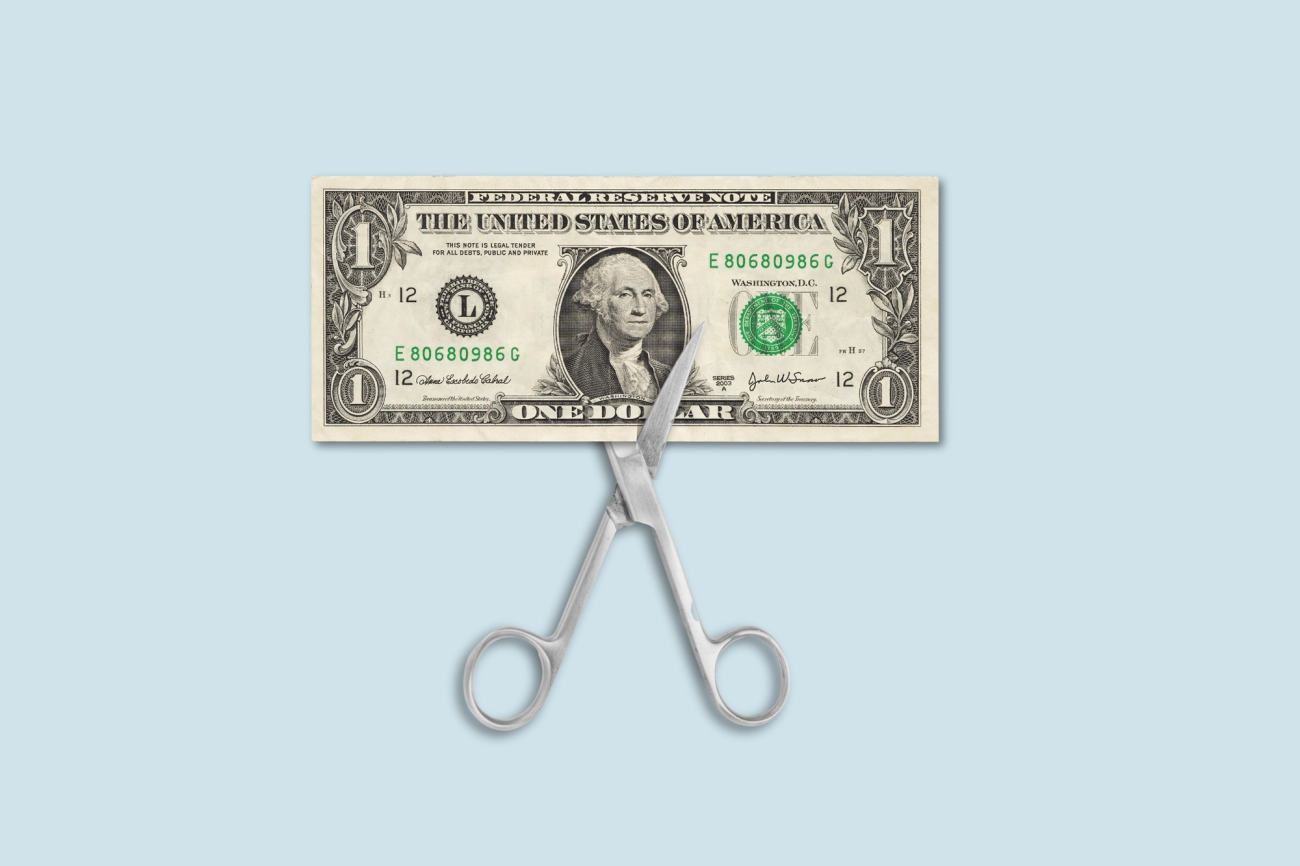

Car insurance is the kind of bill most people pay without thinking, until the annual renewal notice arrives with a rate increase and no explanation. The truth is that auto insurance is one of the most negotiable bills you have. Rates vary wildly between companies for the same driver, and most people never shop around. The strategies below are not tricks; they are the standard levers insurers themselves use, and they routinely cut premiums by hundreds of dollars a year.
1. Shop Around Every Twelve to Eighteen Months
Loyalty does not pay in auto insurance. Insurers raise rates for existing customers far more aggressively than they price new ones, a phenomenon known as the loyalty penalty. The fix is simple: get quotes from three to five insurers at every renewal. Because credit-based insurance scores, driving records, and even zip codes are scored differently by each company, the cheapest insurer for you changes over time. A twenty-minute quote session once a year is the highest-return errand in personal finance.
Use independent agents who can quote multiple carriers at once, and get quotes from direct writers too. When you find a better rate, switch, and let your old insurer know you are leaving; they will often match or beat the new price to keep you.

2. Raise Your Deductibles
The deductible is the amount you pay before insurance kicks in. Raising it from $500 to $1,000 typically cuts your collision and comprehensive premiums by 15 to 30 percent. The trade-off is a larger out-of-pocket bill if you crash, which is fine if you have an emergency fund that covers it. Insure against catastrophe, not against fender benders; the point of insurance is to protect you from ruin, not to cover small repairs.
3. Drop Coverage Your Car No Longer Needs
Collision and comprehensive coverage pay to repair or replace your car. When the car’s value drops below roughly ten times your premium, the coverage stops making sense. A $2,000 car with $400 a year in collision coverage is a bad bet; you will pay the value of the car every five years in premiums. Run the numbers, and consider dropping collision and comprehensive on older cars, keeping only liability, which protects you from other people’s claims.
4. Bundle and Stack Every Discount
Insurers hand out discounts for behaviors they like. Ask your agent to apply every discount you qualify for: bundling home and auto, having multiple cars, being claim-free for three or five years, taking a defensive driving course, being a good student, being over 55, paying annually instead of monthly, and going paperless. Each is small, but they stack, and the total is often 20 to 30 percent off the base premium.
5. Watch Your Credit and Your Mileage
In most states, insurers use your credit history as a rating factor, and a better score can mean a meaningfully lower premium. Paying down balances and fixing errors on your report pays twice, once in lower borrowing costs and again in lower insurance rates. If you drive little, usage-based insurance programs that track mileage can cut costs for low-mileage drivers, and a simple annual mileage update can reduce your premium if your commute shrank.
6. Revisit Coverage After Life Changes
Getting married, moving, retiring, or paying off a car all change your risk profile, and your premium should change with it. Married couples pay less, safe neighborhoods cost less, and retired drivers who drive fewer miles pay less. Call your insurer after any of these events rather than waiting for renewal. The conversation takes ten minutes, and the discount is automatic once they update your file.
Combine two or three of these and the savings are real: shopping around plus a deductible raise plus stacked discounts often cuts a $1,400 premium to under $1,000. Set a reminder to review your policy every year, because the market, your car, and your life all change, and your premium should too.