
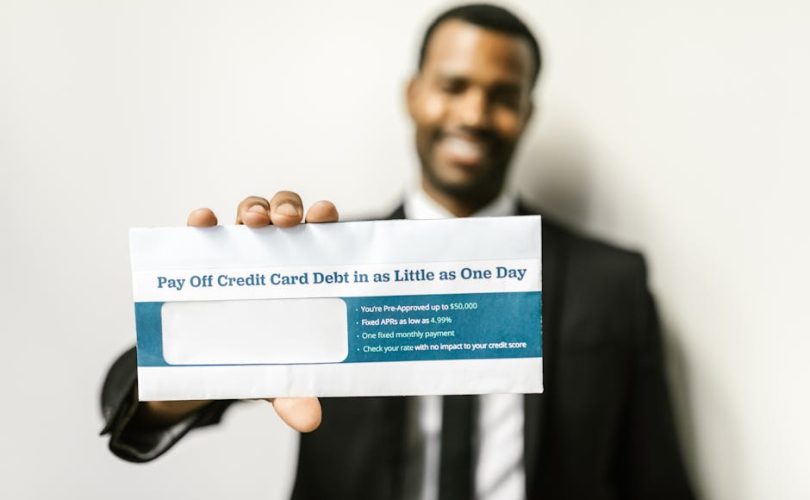
Listen, I’ve been there. You’re drowning in debt, and everyone, I mean *everyone*, has an opinion. The biggest misconception I see out there? That simply consolidating all your debt into one giant loan is your magic bullet. It’s not. Not usually, anyway. Consolidation can be a tool, a very specific one, but it’s rarely the first or best step. For most people, it’s just swapping one set of problems for another if you don’t fundamentally change your payment strategy and spending habits.
My years of navigating personal finance have taught me one undeniable truth: you need a strategy, not just a handshake with a new lender. You need a plan that tackles both the math and the messy human psychology of getting out of debt. I’m going to share what I’ve learned, what works, and what often leads people right back into the same hole.
My Take: Why Avalanche Beats Snowball (for most people)
Alright, let’s get straight to it. If you ask me, the debt avalanche method is superior to the debt snowball method, plain and simple, for the vast majority of people focused on saving money and achieving debt freedom faster. I know this is a hot take for some, but hear me out. The math doesn’t lie. With the avalanche method, you prioritize paying off debts with the highest interest rates first, after making minimum payments on everything else. This approach saves you the most money on interest over time. It’s the financially optimal path.
Think about it: carrying a credit card balance at 25% APR costs you significantly more each month than a student loan at 6% APR. By tackling that high-interest credit card first, you’re stopping the bleeding. You’re cutting off the most expensive part of your debt as quickly as possible. When that highest interest debt is gone, you take the money you were paying on it and roll it into the next highest interest debt. It’s a powerful compounding effect, but in reverse, working in your favor.
The Math Behind Avalanche
Let’s say you have three debts:
- Credit Card A: $5,000 balance, 24% APR
- Personal Loan B: $7,000 balance, 12% APR
- Student Loan C: $10,000 balance, 6% APR
With an avalanche strategy, you’d throw every extra dollar at Credit Card A after making minimum payments on B and C. Once Card A is paid off, you’d then focus those funds on Personal Loan B, and finally Student Loan C. This method ensures you pay the absolute minimum in interest. Over thousands of dollars in debt, those savings can be substantial. We’re talking hundreds, even thousands, of dollars saved over the life of your debt. That’s real money staying in your pocket, not going to a lender.
When Snowball *Does* Make Sense
Now, I said avalanche is better for *most* people. There’s an exception. If your motivation is paper-thin and you desperately need quick wins to stay on track, the debt snowball method might be for you. This strategy focuses on paying off the smallest debt balance first, regardless of interest rate. The idea is that paying off a small debt quickly gives you a psychological boost, a “snowball” rolling down a hill, gaining momentum. You get to check a debt off your list, feel successful, and stay motivated. If you know you’re someone who gives up easily without immediate gratification, then the snowball could be your starting point. But understand, you’re paying more in interest for that psychological boost.
Understanding Your Debt Landscape: Where to Even Begin

Before you pick any strategy, you absolutely have to know what you’re up against. This isn’t optional. It’s the foundational work that too many people skip, and it’s why they fail. You can’t navigate a maze without a map, and your debt is a maze. My rule of thumb: you need a complete, precise inventory of every single debt you owe. Every single one. Don’t gloss over anything.
I recommend pulling together a simple spreadsheet or even just a notebook list. For each debt, write down the creditor’s name, the current balance, the interest rate (APR), and the minimum monthly payment. Don’t forget the due date either. This isn’t just a list; it’s your battlefield reconnaissance. You’ll find debts you might have forgotten about or realize some interest rates are far higher than you imagined. This raw data is your power.
This comprehensive overview helps you see the bigger picture. You’ll identify your high-interest culprits instantly. You’ll also see your total minimum payments for the month, which is crucial for budgeting. People tend to carry debt across various sources: credit cards, student loans, car loans, personal loans, even medical bills. Each one has different terms, and understanding those terms is key to optimizing your payment plan. This exercise also often reveals spending patterns that led to the debt in the first place, providing an opportunity for course correction.
Gathering Your Debt Data
To get started, check your credit report (you can get one free annually from AnnualCreditReport.com). This will show you most of your outstanding debts. Then, go through your bank statements for any recurring payments to lenders. Log into all your online accounts for credit cards, student loans, car loans, and personal loans to get the exact, up-to-date balances and interest rates. Sometimes the rate you see on a statement might not be the actual APR due to promotional periods or special terms, so double-check the fine print in your loan agreements if you’re unsure. Transparency here is .
Calculating Your True Cost of Debt
Once you have all your data, add up your total debt. Then, calculate your total minimum monthly payment. This number tells you the bare minimum you need to pay each month just to stay current. Anything extra you can throw at your debts is what accelerates your freedom. Next, try calculating how much interest you’d pay over the life of each loan if you only made the minimum payments. Many online calculators can help with this, or you can use a spreadsheet. Seeing that total interest figure, sometimes many times the original principal, is a powerful motivator. It truly brings home the urgency of getting aggressive with your payments.
Avalanche vs. Snowball vs. Consolidation: A Quick Look
I get asked all the time, which one is best? The answer, as I’ve mentioned, depends on your personal discipline and financial situation. But let’s lay out the differences clearly. This table should give you a concise overview of the three most common strategies people consider.
| Strategy | Primary Focus | Interest Paid | Psychological Impact | Complexity |
|---|---|---|---|---|
| Debt Avalanche | Highest interest rate debt first | Lowest amount of interest over time | Less immediate wins, but significant long-term savings; requires discipline | Medium – tracking interest rates required |
| Debt Snowball | Smallest balance debt first | Highest amount of interest over time | Frequent, quick wins; great for motivation and building momentum | Low – just tracking balances |
| Debt Consolidation | Combine multiple debts into one loan | Can be lower if new rate is good, but potential for higher if not careful | Simplicity of one payment; risk of racking up new debt if habits don’t change | High – involves new loan application, credit checks, closing old accounts |
Choosing Your Path: Beyond the Table
While the table highlights the core differences, remember that consolidation is a financial product, not strictly a payment strategy like avalanche or snowball. You can consolidate your debts and *then* apply an avalanche or snowball method to your single new loan. My advice? Only consider consolidation if you can secure a significantly lower interest rate and are confident you won’t accumulate new debt. Otherwise, you’re just kicking the can down the road, and often paying fees in the process.
The Debt-Free Lifestyle is Not a Myth

I can tell you from experience: the debt-free lifestyle isn’t some mythical creature. It’s real, it’s achievable, and it feels incredible. It removes a constant, heavy weight that you might not even realize you’re carrying until it’s gone. You gain freedom, peace of mind, and the ability to make financial choices based on your goals, not your creditors’ demands. This journey is hard, but absolutely worth every single step.
Beyond the Basics: My Advanced Debt Crushing Tactics

Once you’ve got your strategy picked out (hopefully avalanche!), it’s time to get aggressive. Simply making minimum payments and hoping for the best isn’t a strategy; it’s a prayer. To truly crush debt, you need to go beyond the basics. These are the tactics I’ve used and seen others use to accelerate their journey exponentially.
- Aggressively Cut Expenses: This is non-negotiable. Go through every single line item of your budget. I’m talking about canceling subscriptions you barely use, eating out less, finding cheaper alternatives for essentials. I cut my monthly grocery bill by 20% just by planning meals better and avoiding impulse buys. Every dollar saved is a dollar that can go towards your highest-interest debt.
- Boost Your Income: If you’ve squeezed your budget dry, the next lever is income. Can you pick up a side hustle? Deliver groceries, drive for a ride-share service, freelance your skills, sell items you no longer need? Even an extra $200-$300 a month can make a massive difference when applied directly to your debt principal.
- Use Windfalls Wisely: Tax refunds, bonuses, inheritances, gifts – these are not opportunities to upgrade your phone or take a vacation (unless you’re already debt-free). These are opportunities to take a huge chunk out of your debt. Direct 100% of any windfall towards your highest-interest debt. No exceptions.
- Automate Your Payments (Carefully): Set up automatic minimum payments for all your debts to avoid late fees. Then, manually make your extra principal payments on your focus debt. This ensures you never miss a payment while still strategically attacking your balances. Just be careful not to over-automate to the point where you lose track of your balances.
Negotiating Lower Interest Rates
This is a tactic many people overlook. Call your credit card companies or loan providers. Seriously. Ask for a lower interest rate. You might be surprised. If you have a good payment history, even with a high balance, they might be willing to drop your APR by a few percentage points to keep you as a customer. The worst they can say is no. Just state your case calmly: you’re trying to pay down debt, you’ve been a loyal customer, and you’re looking for some help with the rate. Even a 2-3% drop can save you significant money over time.
The Power of a Side Hustle
I can’t stress this enough. When I was paying down my credit card debt, a weekend side gig made all the difference. It wasn’t glamorous work, but every dollar earned went straight to that high-interest monster. It’s not just about the money; it’s about the mindset. You become proactive, finding solutions instead of just feeling stuck. It transforms you from a debt payer to a debt crusher.
Getting out of debt requires unwavering discipline and a clear-eyed understanding of your financial reality.”