Walk into any wallet and you will find one of three plastic rectangles, and most people use them interchangeably without thinking. Prepaid cards, debit cards, and credit cards look the same and swipe the same, but they are fundamentally different tools with different costs, protections, and effects on your finances. Using the right one at the right time can save you money, protect you from fraud, and build your credit. Using the wrong one can do the opposite.
Debit Cards: Your Own Money, With Limits
A debit card pulls directly from your checking account. The advantages are real: no debt possible, no interest, and no way to spend money you do not have. For people who struggle with overspending, a debit card is a natural governor.
The downsides matter just as much. Debit cards offer weaker fraud protection than credit cards in practice; while federal law caps your liability, the money is gone from your account during the dispute, and a drained checking account can bounce bills and rent. They also do nothing for your credit score, and they forfeit the rewards that many credit cards pay.
Credit Cards: Borrowed Money, With Protections
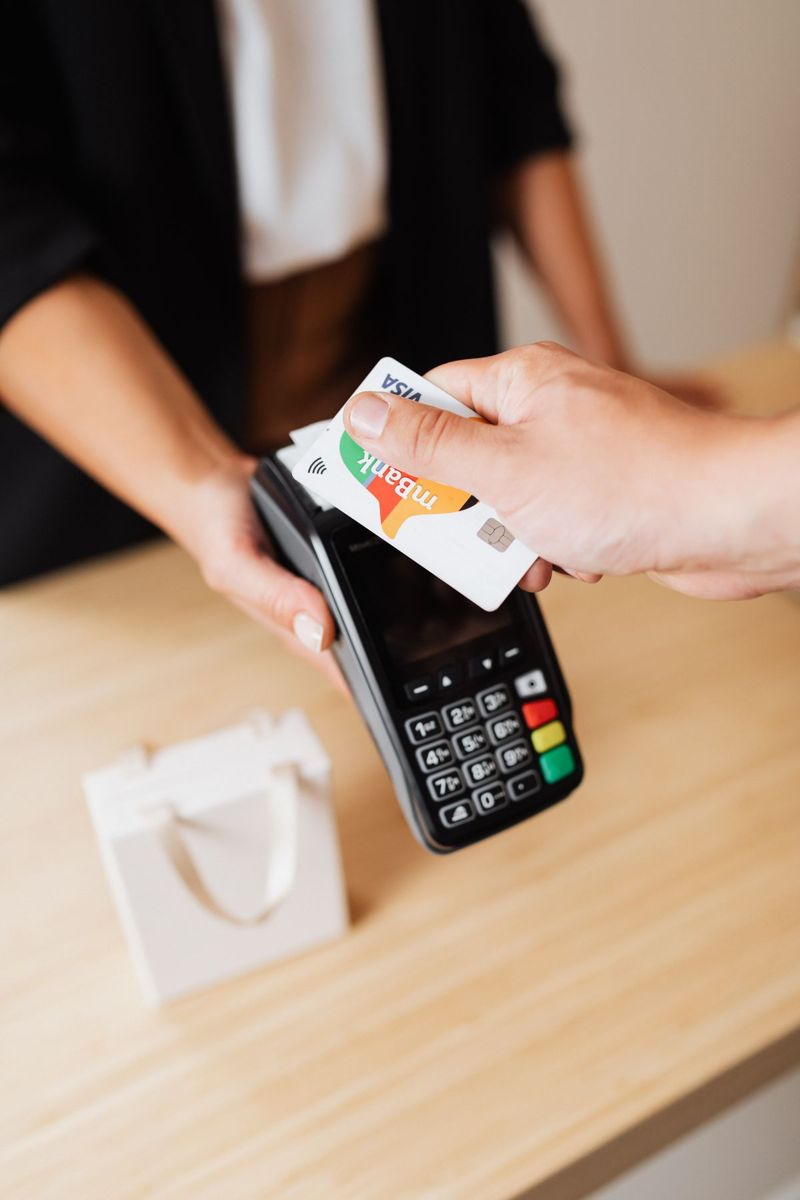
A credit card lets you spend money you borrow, up to a limit, with a grace period before interest applies. Paid in full monthly, a credit card is effectively free money for a month, plus rewards, plus the strongest fraud protections in consumer finance. Card issuers do not hold your cash during disputes, and federal law caps your fraud liability at $50, often waived to zero.
Credit cards also build your credit history when used responsibly, which lowers future borrowing costs. The risks are equally famous: carried balances accrue 20 percent-plus interest, and the minimum-payment trap can stretch a $1,000 debt into years of payments. A credit card is a tool, and the rule for using it is simple: never carry a balance you cannot pay in full.
Prepaid Cards: Cash With Plastic
A prepaid card holds money you load in advance. It is not linked to your bank account, so it cannot overdraft, and it does not report to credit bureaus, so it cannot build credit. Its virtues are anonymity, control, and safety: a prepaid card limits fraud damage to the loaded amount, and it is ideal for giving money to kids, travelers, or situations where you do not want to expose your main account.
The costs are the catch. Prepaid cards often charge activation fees, monthly fees, reload fees, and ATM fees, which can make them the most expensive way to use your own money. Use them for their specific strengths and not as a permanent substitute for a bank account.
How to Choose in Any Situation
Use a credit card for everyday purchases you can pay off monthly, especially online and in travel, where fraud protection and rewards pay the most. Use a debit card when you need to avoid credit entirely or when you want to feel the money leaving your account. Use a prepaid card for gifting, kids, and controlled spending envelopes.
The strongest setup combines all three: a credit card for purchases and fraud protection, paid in full, a debit card for cash access, and a prepaid card only where it serves a specific purpose. The wallet with one card is simpler, but the wallet with the right card for each job is richer.