
Nearly 40% of first-time rental property buyers put down less than 10% in 2026, according to the National Association of Realtors. In 2026, that number is expected to rise as new loan products hit the market. You do not need 20% down to start investing. Here is exactly how to buy your first rental property with a low down payment this year.
Three Loan Options That Allow 3% to 5% Down
These are the only three loan types that let you buy a rental property with a single-digit down payment in 2026. Each has trade-offs you need to understand before applying.
| Loan Type | Minimum Down | Owner Occupancy Required? | Max Loan Limit (2026) | Best For |
|---|---|---|---|---|
| FHA 203(b) | 3.5% | Yes — must live there 12 months | $498,257 (most areas) | First-timers with credit scores 580+ |
| Fannie Mae HomeReady | 3% | Yes — one borrower must occupy | $766,550 (standard) | Buyers with income below 80% of area median |
| Freddie Mac HomeOne | 3% | Yes — first-time buyer only | $766,550 (standard) | First-time buyers with good credit (660+) |
Key catch: All three require you to live in the property for at least one year. This is called owner-occupancy. You cannot buy a pure investment property with these loans. But after 12 months, you can move out and rent the entire unit. That is how most first-time investors start.
FHA Loans: The Low-Barrier Entry
FHA loans require only 3.5% down and accept credit scores as low as 580. The downside: you pay MIP (Mortgage Insurance Premium) for the life of the loan unless you refinance. On a $300,000 property, that adds roughly $200 per month. Still, if you have limited savings and a moderate credit score, FHA is your fastest path in.
Conventional 3% Loans: HomeReady and HomeOne
Fannie Mae HomeReady and Freddie Mac HomeOne both allow 3% down with no upfront mortgage insurance. You do pay private mortgage insurance (PMI), but it drops off automatically once you reach 20% equity. These loans require a minimum credit score of 660. If your score is above 700, you will get a better rate than FHA offers.
House Hacking: The Strategy That Makes Low Down Payment Work
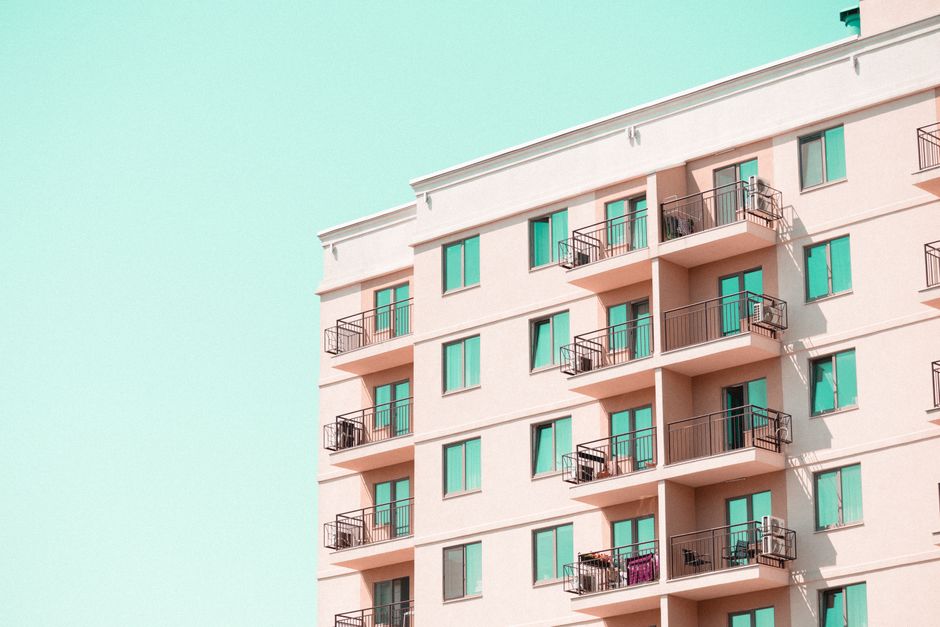
House hacking means you buy a multi-unit property (duplex, triplex, fourplex), live in one unit, and rent out the others. The rental income covers most or all of your mortgage. This is not a theory. It is the single most reliable method for first-time investors to build wealth with little money down.
Here is the math on a typical duplex in a mid-sized market like Indianapolis or Kansas City:
- Purchase price: $280,000
- Down payment (3.5% FHA): $9,800
- Closing costs: ~$8,000
- Total cash needed: ~$18,000
- Monthly mortgage (PITI + MIP): $2,100
- Rental income from second unit: $1,400
- Your out-of-pocket housing cost: $700/month
Compare that to renting a one-bedroom apartment in the same city for $1,200. You are living cheaper while building equity and owning an asset that appreciates.
Why Fourplexes Are the Sweet Spot
FHA and conventional loans allow up to four units under one owner-occupant loan. A fourplex gives you three rental units. In many markets, the total rent covers the entire mortgage plus expenses. You live for free. That is the goal. Look for fourplexes in B-class neighborhoods near hospitals or universities — stable tenant demand, reasonable prices.
Portfolio Loans: The No-Occupancy Option (Higher Down)
If you absolutely cannot live in the property, portfolio loans from local banks and credit unions are your alternative. These loans stay on the bank’s books instead of being sold to Fannie Mae or Freddie Mac. That means the bank sets its own rules.
Typical terms for a portfolio loan on an investment property in 2026:
- Down payment: 15% to 20%
- Interest rate: 1% to 2% higher than owner-occupied loans
- Credit score minimum: 680
- Reserves required: 6 months of PITI in cash
This is not a low down payment option. But it is the only way to buy a rental property without living there first. Use it only if house hacking is not feasible — for example, if you already own a home and want to buy a second property strictly as a rental.
Five Mistakes That Kill First-Time Rental Investors
Most first-time investors lose money not because of bad properties, but because of avoidable errors. Here are the ones I see most often.
Mistake 1: Buying in a C-Class Neighborhood to Save Money
Cheap properties in rough areas attract tenants who do not pay, damage the unit, or cause legal headaches. The lower the purchase price, the higher the headache-to-profit ratio. Buy in a B-class or better neighborhood. Pay a little more. Your tenants will be better, and your property will appreciate.
Mistake 2: Ignoring the 1% Rule
The 1% rule says monthly rent should be at least 1% of the purchase price. A $200,000 house should rent for $2,000/month. This is a quick filter. If a property does not hit 1%, the numbers usually do not work after expenses. There are exceptions (high-appreciation markets), but for a first property, stick to the rule.
Mistake 3: Not Budgeting for Vacancy and Repairs
Set aside 10% of gross rent for vacancy and another 10% for maintenance. If you do not, one broken furnace or a two-month vacancy wipes out your entire year of profit. This is not optional. Treat it like a tax.
Mistake 4: Using a Regular Real Estate Agent
Most agents focus on primary residences. You need an agent who understands rental property valuation — cap rates, cash-on-cash returns, and the 1% rule. Ask every agent you interview: “How many investment properties have you closed in the last 12 months?” If the answer is fewer than five, move on.
Mistake 5: Overestimating Rent
Do not use Zillow estimates for projected rent. Use Rentometer or Zillow Rental Manager to see actual listings in the specific neighborhood. Be conservative. If comparable units rent for $1,400, project $1,300. Surplus cash is better than shortfall.
When NOT to Buy a Rental Property with Low Down Payment
Low down payment strategies work in specific conditions. Here is when you should walk away.
Your credit score is below 620. Even with FHA, you will pay a high rate and high MIP. Wait 12 months, pay down debt, and raise your score to 660+. The savings in interest alone will be worth the wait.
You have less than $15,000 in emergency savings outside the down payment. Rental properties break. Tenants leave. If you cannot cover a $10,000 roof replacement without going into credit card debt, you are not ready. Build a separate cash reserve of at least three months of expenses for the property.
You plan to move within 3 years. Buying a property, renting it for 12 months, then selling means you likely lose money on transaction costs (6% to 8% in closing fees). If your life is unstable — job change, relationship change, relocation — rent instead. Buy when you can commit to 5+ years of ownership.
Local rent-to-price ratio is below 0.5%. In expensive cities like San Francisco or New York, a $1M property rents for $4,000/month (0.4%). The math does not work with a low down payment. The mortgage alone will exceed the rent. You will lose money every month. In those markets, stick to REITs or syndications until you have enough cash for a 25% down payment.
For most people in most cities, the best move in 2026 is simple: buy a duplex or fourplex with an FHA or HomeReady loan, live in one unit, and let your tenants pay the mortgage. That is how you start building rental property wealth with $10,000 to $20,000 down.
Disclaimer: The information on this page is for educational purposes only and does not constitute financial advice. Rates, terms, and eligibility requirements are subject to change. Always compare multiple lenders and consult a licensed financial advisor before borrowing.