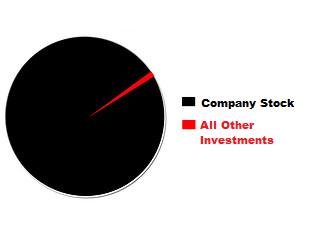

The median American household has about $8,000 in a savings account. The average retirement savings for someone nearing 65 is roughly $200,000. That number needs to be closer to $1.5 million to maintain a modest lifestyle. That gap — between $200k and $1.5M — is not a math error. It’s a structural problem in how most people manage their money.
This article is not about clipping coupons or skipping coffee. It’s about the hard numbers behind the gap and the specific levers you can pull to close it. I’ll cover the three biggest drains on your income, the one number that predicts financial success, and when buying more insurance actually makes the problem worse.
1. The Three Leaks That Create the Gap
Most personal finance advice starts with “make a budget.” That’s fine, but budgets fail because they ignore the three specific areas where money disappears without a trace. Fix these three leaks first. Then worry about the spreadsheet.
Leak 1: Fixed recurring subscriptions you don’t use
Rocket Money analyzed 10 million users in 2026 and found the average person spends $273 per month on subscriptions they forgot about. Streaming services, gym memberships, cloud storage, meal kits. That’s $3,276 a year. Over 30 years, invested at 7%, that’s over $300,000 lost. Cancel three subscriptions today and redirect that cash to a high-yield savings account (currently paying 4.5–5.0% APY at banks like Ally or Marcus).
Leak 2: High-cost debt masquerading as convenience
Credit card interest rates averaged 24.7% in 2026. Carrying a $5,000 balance at that rate costs you $1,235 a year in interest alone. That’s money that could be compounding. Pay off credit card debt before you invest a single dollar beyond the employer match in your 401(k). The math is simple: earning 7% in the market while paying 24.7% on debt is a net loss of 17.7% per year.
Leak 3: Overpriced insurance you don’t need
This is the one most people miss. The average driver pays $1,700 a year for car insurance. But rates vary wildly. A 35-year-old with a clean record in Ohio might pay $1,100 for full coverage from Erie Insurance (A.M. Best A+). The same driver in Michigan could pay $2,800 for the same policy from State Farm (A.M. Best A++). State-specific factors and individual credit scores create massive price swings. Get quotes from at least three carriers every two years. I’ve seen people save $800 a year just by switching. That’s $800 that goes straight to closing the gap.
One sentence verdict: Plug the subscription, debt, and insurance leaks before you touch your budget.
2. The One Number That Predicts Financial Freedom (and It’s Not Your Income)
Here’s a fact that surprises most people: your savings rate matters more than your investment returns. Two people with the same income can end up in completely different financial positions based on one number alone.
| Savings Rate | Years to Financial Independence (at 5% real return) | Years to FI (at 7% real return) |
|---|---|---|
| 5% | 66 years | 56 years |
| 10% | 51 years | 42 years |
| 15% | 43 years | 35 years |
| 25% | 32 years | 25 years |
| 40% | 22 years | 17 years |
Data from the Trinity Study and updated by Early Retirement Now. The table assumes a 4% withdrawal rate and a 30-year retirement. A 25% savings rate cuts your working years nearly in half compared to a 5% rate. Income matters, but the gap between what you earn and what you keep is the real variable.
To close your personal finance gap, target a savings rate of at least 20% of gross income. That includes retirement contributions, debt payments above minimums, and cash savings. Track it every month. If it dips below 15%, you need to cut spending or increase income. No exceptions.
How to raise your savings rate without feeling poor
Do not try to save more by willpower alone. Automate it. Set up a direct transfer from your checking account to a separate savings or investment account on payday. Start with 10%. Increase it by 1% every three months. You won’t miss the money because you never had it in your spending account. This is called the “pay yourself first” method, and it works because it removes the decision from your daily life.
One sentence verdict: Your savings rate is the single most powerful lever you control — automate it to 20% and watch the gap shrink.
3. When Buying Insurance Makes the Gap Worse
Insurance is supposed to protect you from financial disaster. But a bad insurance policy can become a financial disaster itself. Here’s the failure mode most people don’t see: over-insuring low-risk events and under-insuring high-risk ones.
I see this all the time. Someone buys a $50/month cell phone insurance plan for a $800 phone. Over two years, they pay $1,200 in premiums. The phone’s deductible is $100. If they break the phone once, they’ve paid $1,300 to protect an $800 asset. That’s a net loss of $500. Meanwhile, they have no disability insurance, which would protect their biggest asset: their ability to earn income.
Here’s the rule: Only insure against losses you cannot afford to cover yourself. For most people, that means:
- Health insurance — absolutely required. A single hospital stay can cost $50,000+.
- Auto liability insurance — required by law in 49 states. Minimum limits vary from $10,000 in Florida to $30,000 in California. Those limits are too low. Buy at least $100,000/$300,000 in liability coverage.
- Renters or homeowners insurance — required if you have a mortgage or a landlord. Get it. It’s cheap ($15–$30/month for renters).
- Disability insurance — most people skip this. A 30-year-old has a 25% chance of becoming disabled before retirement. Group disability through work is often limited to 60% of salary and may not cover long-term conditions. Consider an individual policy from Principal or Guardian.
- Extended warranties and device insurance — skip these. Self-insure by putting the premium cost into a savings account.
One sentence verdict: Buy insurance for catastrophic risk, not for convenience — skip the phone plan and buy disability coverage.
4. The Investment Trap That Widens the Gap
You’ve plugged the leaks and raised your savings rate. Now the money needs to work. But the most common investment strategy — chasing high returns — is exactly what widens the gap for most people.
Here’s the data. The average investor earned about 3.5% annually over the last 20 years, according to Dalbar’s 2026 Quantitative Analysis of Investor Behavior. The S&P 500 returned about 9.8% over the same period. The gap? Investors underperform the market by 6.3% per year because they buy high and sell low. They panic during downturns and get greedy during rallies.
The fix is boring but effective. Buy a total stock market index fund (like VTI from Vanguard, expense ratio 0.03%) and a total bond market index fund (like BND, expense ratio 0.03%). Set a ratio based on your age. A 35-year-old might hold 90% stocks and 10% bonds. Rebalance once a year. Do not check your portfolio more than quarterly. Do not sell when the market drops 20%. Do not buy when it rallies 20%. Just keep buying every month through dollar-cost averaging.
This strategy won’t make you rich overnight. But it will reliably compound your savings at 6–8% annually over long periods. That compounding is what closes the gap.
One sentence verdict: A simple two-fund index portfolio held for decades beats 90% of active investors — stop trying to beat the market and start owning it.
5. The Hidden Cost of “Lifestyle Creep” (And How to Stop It)
You get a raise. You buy a nicer car. You get another raise. You move to a bigger apartment. This is lifestyle creep, and it’s the silent killer of financial goals. Every dollar of extra spending is a dollar that doesn’t go toward closing the gap.
Here’s the math. Say you earn $60,000 and save 15% ($9,000/year). You get a $10,000 raise. If you save 50% of that raise ($5,000), your savings rate jumps to 21%. If you spend all of it, your savings rate drops to 12.8% because your spending grew faster than your income. Lifestyle creep widens the gap faster than a market crash.
The rule of thumb: Save at least 50% of every raise, bonus, or tax refund. The other 50% is yours to spend. This gives you the dopamine hit of a raise while still making progress on your goals. Over a 10-year career with average raises, this alone can add $200,000–$300,000 to your net worth.
One sentence verdict: Save half of every raise — lifestyle creep is the silent gap-widener that compounds against you.
6. The Emergency Fund: Your Gap Insurance
Every financial plan breaks when an emergency hits. A $2,000 car repair. A $5,000 medical bill. A job loss that lasts six months. Without cash reserves, you’re forced to sell investments at a loss or take on high-interest debt. That widens the gap instantly.
Build an emergency fund of 3–6 months of essential expenses. For a single person spending $3,000/month, that’s $9,000–$18,000. Keep it in a high-yield savings account (HYSA) — not a checking account, not invested in the stock market. Current HYSA rates from banks like CIT Bank or SoFi are around 4.5% APY. That’s not going to make you rich, but it protects your long-term investments from being touched during a crisis.
One common mistake: People stop contributing to retirement to build an emergency fund. That’s backward. Contribute enough to get the full employer match in your 401(k) first, then build the emergency fund. The match is free money. Don’t leave it on the table.
One sentence verdict: A fully funded emergency account in a high-yield savings account is the cheapest insurance you can buy for your financial plan.
Disclaimer: The information on this page is for educational purposes only and does not constitute financial advice. Rates, terms, and eligibility requirements are subject to change. Always compare multiple lenders and consult a licensed financial advisor before borrowing.