Every market cycle produces a winning sector and a flood of commentary explaining why it will keep winning. In one era it is tech, in another energy, in another healthcare. The strategy of moving money into whatever sector is hottest is called sector rotation, and it has a seductive logic: if you can catch the winner, you beat the market. The uncomfortable evidence is that most people who try it end up buying late, selling late, and underperforming the boring diversified portfolio they started with.
What Sector Rotation Is
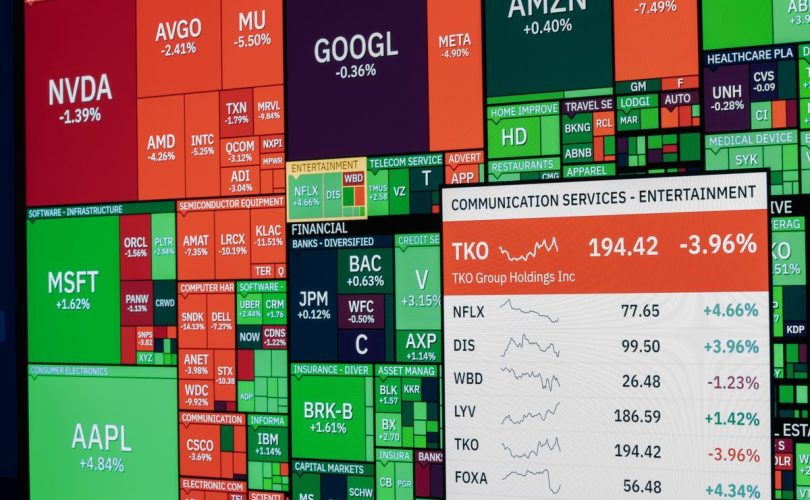
The stock market is divided into sectors: technology, healthcare, financials, energy, consumer staples, industrials, materials, utilities, real estate, communication services, and consumer discretionary. These sectors move in cycles, driven by the economy, interest rates, and commodity prices. Sector rotation means shifting your money toward the sectors expected to lead the next phase of the cycle.
The logic is not crazy. It is well documented that different sectors lead at different points: consumer staples and utilities hold up in recessions, financials benefit from rising rates, energy benefits from inflation. The strategy works if you are right about the cycle, and that is the problem: the cycle turns on data that arrives late and sentiment that shifts fast.

Why It Fails for Most People
Rotators tend to buy whatever has already gone up, because that is what the headlines celebrate. By the time a sector is obviously hot, institutions have already priced in the good news, and the easy gains are gone. The average investor who chases a hot sector tends to enter near the top and exit after the reversal, a pattern that has been measured repeatedly in fund flows.
There is also a tax and effort cost. Frequent trading generates taxes and commissions, and each switch is a chance to be wrong twice, once selling the old sector and once buying the new one. Meanwhile, the diversified investor who simply holds everything captures the winning sector automatically, at the market’s weight, without ever needing to predict which one it will be.
What the Evidence Says
Studies of professional fund managers, who have research teams and trading desks, find that very few consistently time sector moves better than a simple buy-and-hold index. Some cyclical patterns, like the outperformance of value and defensive sectors after recessions, are real, but they are averages over many cycles, not reliable year-to-year signals. The reliability problem is the killer: a pattern that works 60 percent of the time still loses money for the 40 percent of attempts that get it wrong, and humans systematically get it wrong at the worst moments.
The Middle Ground That Works
You do not have to choose between chasing sectors and owning everything. A diversified total market index fund already owns all eleven sectors at market weight, automatically rebalancing as winners grow. If you want a tilt, you can add a modest overweight to a sector you understand deeply and intend to hold for years, not months, treating it as a long-term bet rather than a rotation trade.
Rebalancing is the closest thing to a legal rotation system: once a year, sell what grew and buy what shrank, which mechanically sells high and buys low across all sectors without predicting anything. The boring version usually wins because it does not require being right, and being right is the one thing the market does not hand out on schedule.