

It was November 2015 at Rutgers, and I was standing in the middle of a Rite Aid at 11 PM crying over a $9 bottle of generic ibuprofen. I had exactly $12.42 in my Wells Fargo account. If I bought the medicine, I couldn’t afford the bus pass to get to my shift at the campus library the next day. I bought the pills, walked three miles in the rain, and realized that every ‘budgeting tip’ I’d read on some glossy finance site was absolute garbage. They all tell you to ‘save 20% of your income’ as if you actually have an income and not just a fluctuating pile of laundry quarters and anxiety.
Most people giving this advice haven’t been broke since the 90s. They don’t understand that for a student, a budget isn’t a path to wealth—it’s a survival strategy to make sure you don’t end up eating plain white rice for the last ten days of the semester.
Your meal plan is a predatory financial instrument
I’m just going to say it: meal plans are a total scam. I know your parents probably want you to have one so they know you aren’t starving, but the math is offensive. At my school, the ‘standard’ plan broke down to about $14 per meal. Have you ever spent $14 at a cafeteria? You can get a massive burrito and a drink at Chipotle for less than that.
I tracked my spending for 182 days straight in 2017 and found that 42% of my ‘miscellaneous’ fund went to 2 AM pizza because the dining hall closed at 8 PM. If you have the choice, opt for the absolute minimum meal plan and put the rest of that cash into a separate high-yield savings account (I used Ally, but whatever works). Use that for actual groceries. You’ll eat better, and you won’t be subsidizing the school’s overpriced industrial-grade mystery meat.
The goal isn’t to be a monk; the goal is to not be a burden to your future self.
The only three numbers you actually need to track
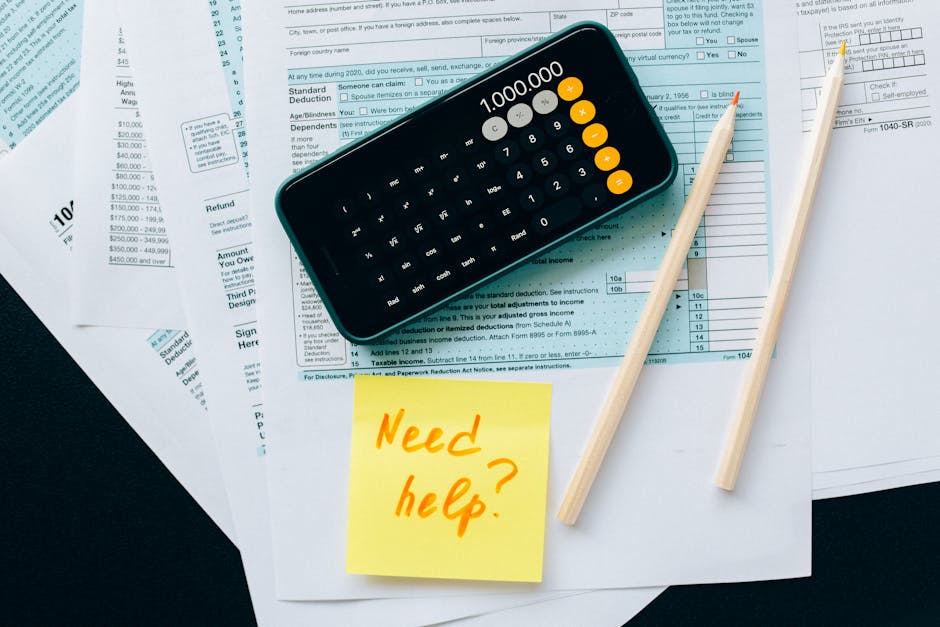
Forget the complex spreadsheets. What I mean is—actually, let me put it differently. If you try to categorize every single cent into ‘entertainment’ or ‘personal care,’ you will quit within three weeks. It’s too much work. I’ve tried every app from Mint to YNAB, and they all feel like a second job.
Instead, just track three things:
- The Fixed: Rent, phone bill, Spotify (yes, it’s mandatory).
- The Weekly: How much you can spend every Monday-Sunday on food and fun.
- The ‘Oh Crap’ Fund: A flat $500 sitting in a place you can’t easily see it.
That’s it. If your weekly number is $100 and you spend $80 on a concert ticket on Tuesday, you’re eating peanut butter sandwiches until Sunday. The discipline is in the weekly limit, not the category.
I might be wrong about this, but stop buying textbooks
I know people will disagree, and your professors definitely will, but buying brand-new textbooks from the campus bookstore is a financial crime. I used to think I needed the latest edition of ‘Intro to Sociology.’ I was completely wrong. Most of the time, the 10th edition is 99% identical to the 11th edition, but it costs $12 instead of $240.
Anyway, I once spent my entire textbook budget on a mountain bike because I thought I’d ‘commute’ to save money. I used the bike twice and ended up having to pirate PDFs of my chemistry book for the rest of the year. But I digress. The point is, check LibGen, check eBay, or check the library reserves before you ever give a dime to Pearson or McGraw Hill. They have enough money. You don’t.
The $18 investment that saved me $2,000
I have an extreme stance on coffee. I refuse to buy Starbucks. Not because I’m some ‘hustle culture’ weirdo who thinks a latte costs you a house, but because their coffee tastes like burnt disappointment. I bought a plastic Aeropress in 2014 for about $18. I have used that same piece of plastic every single morning for nearly a decade.
If you buy a $5 coffee three times a week during a 15-week semester, that’s $225. Do that for four years and you’ve spent nearly a grand on caffeine you could have made better in your dorm room. It’s the only ‘frugal’ tip that actually scales without making your life miserable. Buy the Aeropress. Buy a cheap electric kettle. Stop giving your money to Howard Schultz.
Total lie. Well, not a lie, but it’s the one thing people actually get right. Small leaks sink big ships.
The part that actually sucks
Here is the uncomfortable truth: you are going to have to say ‘no’ to things. Your friends will want to go to a bar or a weekend trip to a cabin that costs $150 per person, and you will have to be the ‘poor friend’ who stays home. It feels like garbage. There’s no way to sugarcoat the social isolation that comes with being the only one in a group who is actually sticking to a budget.
I remember sitting in my dorm eating a bowl of cereal while my roommates went out for sushi. I felt like a loser. But three years later, when I graduated with a manageable balance and they were drowning in credit card debt they racked up on ‘experiences,’ the cereal didn’t seem so bad.
Does it ever get easier to watch people spend money they don’t have? I honestly don’t know. I’m still figuring that out.
Just keep the weekly limit. That’s the whole trick.