
The Biggest Myth: “Just Own 10–30 Stocks and You’re Diversified”
Have you ever heard that owning 10 to 30 stocks is enough to be fully diversified? This idea has been around for decades and is one of the most common misconceptions about portfolio diversification. Early research suggested that holding around 10 to 15 stocks could significantly reduce unsystematic risk—the risk specific to individual companies. Back then, this rule of thumb worked reasonably well because markets were less interconnected, and company-specific events had clearer impacts.
However, today’s markets are very different. Globalization has linked economies tightly, increasing correlations between stocks across sectors and countries. This means companies often move together, reducing the risk-reduction benefits of holding just a handful of stocks. Additionally, many stocks now exhibit higher idiosyncratic volatility—sharp price moves unrelated to the broader market—which requires broader diversification to manage effectively.
These changes mean that owning only 10 to 30 stocks might leave your portfolio exposed to significant risks. Real-world examples confirm this: investors with concentrated stock portfolios have faced major losses due to sector crashes or company-specific crises. So, relying on the old rule can give a false sense of security when true risk reduction requires a broader and more thoughtful approach to diversification.
What True Diversification Actually Means
True diversification means spreading your investments in a way that reduces unsystematic risk—the risk specific to individual companies—while still keeping exposure to systematic risk, which affects the whole market. It’s about balancing your portfolio so one company’s failure won’t drag down your entire investment.
There’s a big difference between proper diversification and diworsification. The latter happens when you over-spread your investments across too many assets, which can dilute your returns and make managing your portfolio harder. Simply owning more stocks doesn’t guarantee better results if those stocks don’t add meaningful variety.
The core benefits of true diversification include:
- Lower volatility: Your portfolio swings less wildly because risks are spread out.
- Better risk-adjusted returns: You get more stable gains relative to the risk you’re taking.
- Protection in downturns: When certain stocks or sectors fall, others can help cushion losses.
Getting diversification right is key to managing risk effectively while aiming for solid, consistent growth. For a balanced approach, blending diversified investments across different asset classes can help achieve these benefits and avoid common pitfalls.
The Pillars of Effective Diversification
True diversification isn’t just about owning multiple stocks; it’s about spreading your investments wisely across different areas to reduce unsystematic risk.
Across Asset Classes:
Mixing stocks with bonds, cash, real estate, and commodities is crucial. These asset classes often move independently of each other, meaning when stocks dip, bonds or real estate might hold steady or even rise. This lack of correlation helps smooth out your portfolio’s overall performance and reduces volatility.
Within Stocks:
Diversify further by including different sectors and industries—not just tech or healthcare alone. Also, blend company sizes by holding both large-cap and small-cap stocks. Adding both growth stocks and value stocks balances potential high returns with stability. This approach helps guard against sector-specific or style-specific downturns.
Geographic Exposure:
Home bias is common, but it limits diversification. Investing domestically alongside international and emerging markets spreads risk across economies and currencies. Geographic diversification can protect your portfolio when one region faces economic troubles.
Other Dimensions:
Consider factor-based strategies like momentum and quality stocks, which emphasize traits linked to outperformance or stability. Adding alternative investments can also reduce portfolio risk further. Exploring these layers helps build a robust, well-diversified portfolio capable of weathering various market conditions.
For those looking to balance stock risk with lower-volatility options, learning about bonds and fixed income can be a game changer. Tools that help check correlation and overlap make assembling a diversified portfolio easier, especially if you prefer a hands-on approach.
How Many Stocks Do You Really Need?
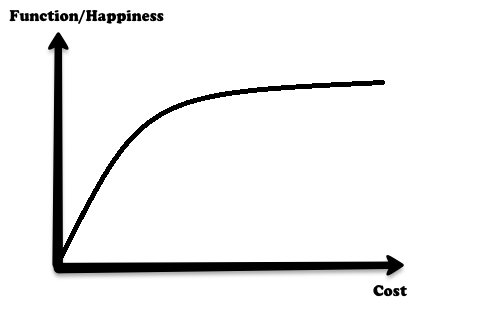
Research shows that the biggest benefits of diversification typically occur within the first 20 to 40 stocks in a portfolio. Beyond that range, adding more stocks usually brings diminishing returns in terms of risk reduction and improved risk-adjusted returns. However, the exact number depends on factors like market conditions and investment style.
| Factor | Impact on Number of Stocks Needed |
|---|---|
| Risk Tolerance | Higher tolerance may allow fewer stocks |
| Portfolio Size | Smaller portfolios need more stocks to diversify properly |
| Active vs. Passive | Active stock picking often requires holding more stocks to spread unsystematic risk |
| Market Style (e.g., Growth vs. Value) | Style and sector concentration can affect how many stocks are needed |
In particular, individual stock picking demands a larger number of holdings than many investors expect. This is because focusing on a handful of stocks increases exposure to company-specific risks that portfolio diversification aims to reduce. For those building a custom portfolio, balancing enough stocks to lower unsystematic risk without falling into over-diversification is key.
Remember, the goal is to spread investments enough to minimize risk without diluting returns. This balance can look very different depending on your investing style and risk profile. For tailored strategies, combining stock holdings with bonds and other asset classes is often necessary, which also affects how many stocks you might include.
For investors interested in practical guidance on building portfolios aligned with varying risk levels, examining resources like index funds can provide a good foundation for diversification without needing excessive stock counts.
Practical Ways to Achieve Diversification
Achieving true diversification doesn’t have to be complicated. One of the easiest ways is through index funds and ETFs, which offer instant broad exposure across many stocks or bonds. These funds automatically spread your investments, reducing unsystematic risk without the hassle of picking individual stocks.
If you prefer building a custom portfolio, start by aligning your allocations with your risk profile:
- Conservative: More bonds and cash, fewer stocks
- Balanced: Mix of stocks and bonds across sectors and geographies
- Aggressive: Higher equity exposure with a blend of growth, value, large-cap, and small-cap stocks
Including bonds and fixed income is essential for balancing equity risk—they often serve as a cushion during market downturns and lower overall portfolio volatility.
Don’t overlook the importance of tools that check correlation and overlap between your holdings. Many online platforms and brokerage services offer easy ways to identify if your assets are too closely tied, which can undermine diversification efforts.
For deeper insights on portfolio structuring and tax efficiency, check out detailed guides on investing strategies and how capital gains impact your returns, which can influence how you rebalance your diversified portfolio.
Common Diversification Mistakes to Avoid
When it comes to portfolio diversification, there are a few pitfalls many investors fall into that can hurt their risk reduction efforts. Here’s what to watch out for:
-
Over-concentration in one sector or region: Putting too much money in one area, like heavy tech exposure, can leave your portfolio vulnerable if that sector tanks. True diversification means spreading investments across different industries and geographic regions.
-
Ignoring rebalancing: If you don’t regularly adjust your portfolio, your winners can take over, throwing off your asset allocation. Rebalancing keeps your risk in check and maintains your intended diversification mix.
-
Confusing quantity with quality: Simply owning many stocks doesn’t guarantee diversification. It’s about owning the right mix across asset classes, sectors, and regions. Also, never assume diversification eliminates all risk—systematic market risks will always affect your portfolio.
Avoiding these common mistakes helps you achieve real diversification, reducing unsystematic risk and supporting better risk-adjusted returns over time.
Diversification in Different Market Conditions
Diversification isn’t just about spreading risk—it also helps your portfolio adapt across market cycles: bull markets, bear markets, and crises. Understanding how diversified investments perform in these different phases is key to managing risk and aiming for steady, risk-adjusted returns.
Bull Markets
- Diversified portfolios often lag highly concentrated winners since they don’t rely on a few top performers.
- But they still grow steadily, benefiting from broad market gains across asset classes, sectors, and regions.
Bear Markets and Crises
- This is where true diversification shines.
- Non-correlated assets like bonds, commodities, and international stocks can cushion losses when stocks drop.
- Diversified portfolios typically fall less and recover faster compared to concentrated ones.
| Market Condition | Diversified Portfolio | Concentrated Portfolio |
|---|---|---|
| Bull Market | Moderate growth, stable gains | Higher short-term gains, higher risk |
| Bear Market | Lower losses, better protection | Bigger drawdowns |
| Crisis | Diversification limits damage | High volatility, potential heavy losses |
Long-term Evidence
Studies show that diversified portfolios provide better risk-adjusted returns over time. While concentrated portfolios occasionally beat the market, they often come with significant swings and higher risk.
Bottom line: Diversification reduces unsystematic risk and smooths out volatility across market conditions. This means your investments are more likely to withstand downturns and deliver consistent growth over the long haul—key for global investors aiming for stability in uncertain markets.